Kidney stones are tiny, but the pain? It feels like your body decided to host a wrestling match inside your lower back. If you’ve been told you have a small kidney stone, the first thought that probably came to your mind is, “Do I need surgery?” The good news is; not always. In fact, most small kidney stones can pass naturally, and small kidney stone treatment without surgery is possible in many cases. Before we panic and imagine operation theaters and hospital beds, let’s sit down, take a deep breath, and understand what’s really going on inside your body; and how small kidney stone treatment without surgery can actually work.
What Is a Small Kidney Stone?
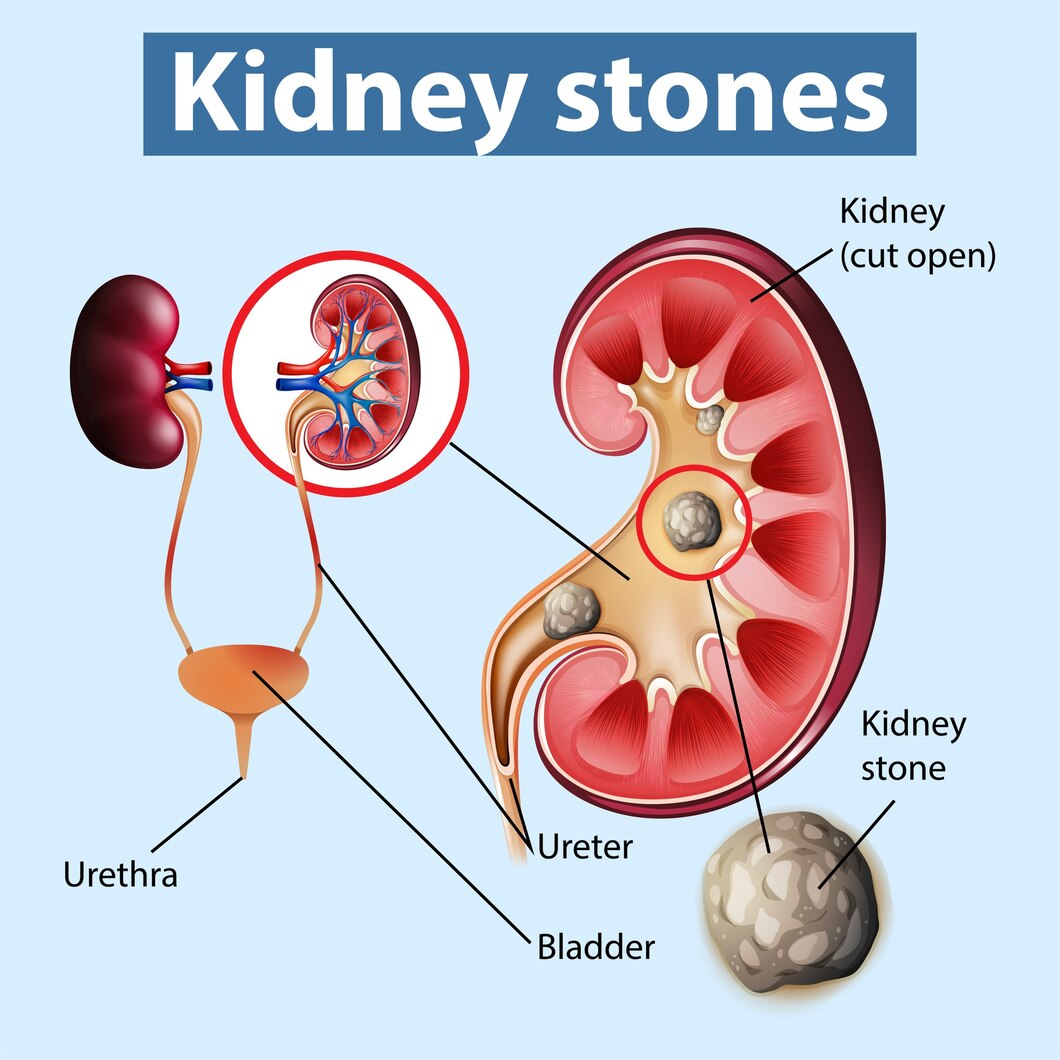
A kidney stone is basically a hard little crystal that forms in your kidney when certain minerals and salts stick together. Think of it like leftover sugar settling at the bottom of your tea glass; except this one is not sweet and definitely not welcome. A “small” kidney stone is usually less than 5 millimeters in size. That’s about the size of a grain of rice. And the good news? Stones this size often pass through urine on their own, which makes small kidney stone treatment without surgery a realistic option for many people.
Yes, it may be uncomfortable. Yes, it may test your patience. But your body is surprisingly good at pushing these tiny troublemakers out.
Can Small Kidney Stones Pass Naturally?
In many cases, yes. Around 70–90% of stones smaller than 5 mm pass naturally within a few weeks. The process can take a few days to a few weeks, depending on the size and location of the stone.
You may feel:
It can feel dramatic, but remember; small stones are usually temporary guests, and this is where non-surgical kidney stone treatment becomes important.
The Most Powerful Treatment: Water (Yes, Just Water)
If kidney stones had an enemy, it would be water. Drinking plenty of water is the simplest and most effective way when thinking about how to dissolve kidney stones naturally. Aim for 2.5 to 3 liters of water daily, or even more if your doctor advises. The idea is simple; more water means more urine. More urine means more pressure pushing that stone out. Imagine trying to flush a tiny pebble through a pipe. A gentle trickle won’t help. But a strong flow? Much better.
Your urine should look light yellow or almost clear. If it looks dark like strong tea, your body is basically saying, “Hey, I need more water!”
Pain Management Without Surgery
Let’s not pretend passing a stone is a picnic. The pain can come in waves. Doctors often prescribe mild painkillers or anti-inflammatory medicines to help you stay comfortable.
Sometimes medicines like alpha-blockers are given. These help relax the muscles in the urinary tract, making it easier for the stone to pass. Think of it like opening the gate a little wider so the stone can slide through. Along with medicines, some people also look for home remedies for kidney stone pain relief such as warm compresses and proper hydration. Always take medicines under medical guidance. Self-medicating is not the hero move here.
Home Remedies That Actually Help
Now let’s talk about natural remedies for small kidney stones that can support your recovery (besides complaining to everyone about your pain).
-
Staying active can help. Light walking may encourage the stone to move. No need to run a marathon; just gentle movement.
-
Warm compress or heating pads on the lower back can help reduce discomfort. Your body loves warmth when it’s in pain.
-
Some people also drink lemon water. Lemon contains citrate, which may help prevent certain types of stones from growing. It’s not magic juice, but it can be helpful.
-
Coconut water is often recommended in traditional practices. It helps maintain hydration and supports urinary flow.
But remember, home remedies support the process; they don’t replace medical advice.
Diet Changes That Make a Big Difference
If you’ve had one kidney stone, you don’t want a sequel. Trust me.
-
Reducing salt intake is important. Too much salt increases calcium in urine, which can contribute to stone formation.
-
Cut back on processed foods and packaged snacks. Yes, that means the chips too.
-
If your stone is made of calcium oxalate (the most common type), you may need to limit high-oxalate foods like spinach, beetroot, and nuts. But don’t stop calcium completely; your body still needs it. Just keep it balanced.
-
Eat more fruits and vegetables. They help maintain a healthy urinary environment.
In simple words: less junk, more fresh food.
Ayurvedic Support for Small Kidney Stones
In Ayurveda, kidney stones are often linked to an imbalance in the body’s doshas, especially Pitta and Vata. Ayurvedic treatment for kidney stones focuses on supporting the body’s natural ability to flush out stones, reducing pain, and preventing recurrence. Herbs like Punarnava, Varun, and Gokshura are traditionally used to support kidney function and urinary health. Ayurvedic care aims at the root cause and overall balance, not just symptom relief.
However, always consult a qualified Ayurvedic doctor before starting any herbal treatment. “My neighbor said it works” is not a medical degree.
When Should You See a Doctor Immediately?
Small stones are usually manageable, but certain symptoms mean you should not wait.
If you experience high fever, severe unbearable pain, blood in urine, vomiting that doesn’t stop, or difficulty urinating; seek medical help immediately. These could indicate infection or blockage, which requires urgent care.
Your health is not the place to experiment with bravery.
How Long Does It Take to Pass a Small Stone?
Most small stones pass within a few days to a few weeks. Patience is key. It may feel like the slowest countdown ever, but it usually resolves without surgery. Doctors sometimes ask you to strain your urine to catch the stone when it passes. It sounds strange, but analyzing the stone helps understand its type and prevent future ones.
Yes, it’s not glamorous. But neither is kidney stone pain.
Can Small Stones Come Back?
Unfortunately, yes. Once you’ve had a kidney stone, you have a higher chance of getting another.
But the good news is; prevention works.
-
Stay hydrated daily, not just when you remember.
-
Maintain a balanced diet. Avoid excessive salt.
-
Get regular health checkups if you’re prone to stones.
Think of it like maintaining your car. Regular care prevents breakdowns.
Final Thoughts
A small kidney stone may feel like a big problem, but in most cases, small kidney stone treatment without surgery is completely possible. With proper hydration, pain management, diet adjustments, supportive natural remedies for small kidney stones, and sometimes medical or Ayurvedic treatment for kidney stones, your body can handle it naturally. The key is not to ignore symptoms and not to panic either. Drink water like it’s your new best friend. Listen to your doctor. Treat your kidneys with respect; they work 24/7 without complaining. And remember, if something the size of a grain of rice can cause this much drama, imagine how powerful your body must be to push it out.
Take care of your kidneys, and they’ll quietly take care of you.
FAQs
1. Is Small kidney stone treatment without surgery really possible?
Yes, in most cases stones smaller than 5 mm can pass naturally with proper hydration, medication, and monitoring. Small kidney stone treatment without surgery is often the first recommended approach.
2. What are the best natural remedies for small kidney stones?
Drinking plenty of water, lemon water (for citrate), staying active, and following a low-salt diet are considered helpful natural remedies for small kidney stones.
3. When should I consider non-surgical kidney stone treatment?
If the stone is small, pain is manageable, and there are no complications like infection or blockage, non-surgical kidney stone treatment is usually safe and effective under medical supervision.