

.jpg)
Navigating the Dairy Aisle: Cow's Milk for Kidney Patients
Ah, milk. For most of us, it’s a food group. Whether it’s a bowl of childhood cereals, a comforting cup at bedtime, or a splash in our tea or deluge in our coffee, cow’s milk is second-nature to our collective diets. But when you have kidney disease (CKD), those simple food choices get complicated. Questions arise about all kinds of things, and cow milk for kidney patients is near the top of that list. So, is cow milk for kidney patients a good bet?
As with so much in renal health, there’s no yes or no answer; it’s more of knowing why that can help you make informed decisions about what’s right for you.
So follow along as we break down cow milk and kidney disease.

Why the Concern? The Nutrient Breakdown
Kidneys are amazing filters, working tirelessly to remove waste products and excess minerals from our blood. When kidney function declines, this filtering process no longer works as effectively. Some nutrients, which are entirely healthy in moderate doses for those with good-functioning kidneys, can accumulate to toxic levels. Cow’s milk is good for kidney patients to understand, but must be approached with caution:
• Phosphorus: This is generally the primary concern. Healthy kidneys filter out excess phosphorus easily. In CKD, however, phosphorus levels may increase (hyperphosphatemia). High phosphorus can leach calcium from your bones, turning them brittle and weak (renal bone disease). It can also cause dangerous calcium to deposit in your blood vessels, heart, lungs and skin. Cow’s milk is naturally very rich in phosphorus.
• Potassium: Like phosphorus, injured kidneys have a hard time removing excess potassium from the blood. Elevated potassium levels (hyperkalemia) can lead to significant cardiac issues, such as arrhythmias or cardiac arrest. Though cow’s milk doesn't contain as much potassium as, say, a banana or potato, it does add a decent amount to your overall daily dose.
• Protein: Protein is crucial for the construction and repair of tissues. But metabolizing protein does strain the kidneys. Although some protein is needed, too much can further tax already troubled kidneys. Protein recommendations vary widely based on the stage of kidney disease and whether a person is on dialysis. Milk is a good source of high-quality protein, which should be included in your daily protein target.
• Fluid: People with later-stage kidney disease, especially those on dialysis, need to monitor their fluid intake closely. All liquid at room temperature; milk included. An 8-ounce glass of milk is made up of 8 ounces of fluid, to be counted. This is important for those considering cow milk for dialysis patients.
• Sodium: While not particularly high in sodium, milk contains this mineral, which most kidney patients need to moderate to assist in managing blood pressure and fluid retention.
So, Does This Mean Milk is Off-Limits?
Not necessarily, but it does mean moderation and individualization are key.
For someone in the very early stages of CKD with bloodwork showing normal phosphorus and potassium levels, enjoying a small amount of milk occasionally might be perfectly fine. However, as kidney function declines, the need for restriction usually increases.
Here’s what often happens in practice:
• Smaller Portions: Instead of a large glass, maybe it's just a splash in your tea or a quarter-cup (2 ounces) over a small serving of low-sugar cereal. Portion control makes a huge difference.
• Less Frequency: Daily consumption might not be advisable for many. Perhaps it becomes an occasional treat rather than a regular habit.
• Tracking: If you do consume milk, it must be tracked as part of your daily phosphorus, potassium, protein, and fluid allowances. This is where working closely with a renal dietitian becomes invaluable. They can help you understand your specific limits based on your blood tests and overall health.
• Considering Alternatives: Many people explore milk alternatives when deciding which milk is good for kidney patients.
What About Milk Alternatives?
The plant-based milk aisle has exploded! You'll find options made from almonds, rice, soy, oats, hemp, cashews, and more. Are these better choices?
Again, it depends:
• Read the Labels Carefully: Many plant-based milks are lower in phosphorus and potassium naturally. However, manufacturers often fortify them with calcium and vitamin D. Sometimes, this fortification uses calcium phosphate, adding phosphorus back in! Always check the ingredients list for words containing "phos" or "phosphate."
• Potassium Additives: Some alternatives might have added potassium.
• Protein Varies: Protein content varies hugely. Rice and almond milk are typically low, while soy milk is higher (comparable to cow’s milk).
• Unsweetened is Usually Better: Choose unsweetened versions to avoid unnecessary sugar.
• Specialty Renal Formulas: Some companies make specific "renal-friendly" milk alternatives designed to be low in potassium and phosphorus, but these can be harder to find and more expensive.
Rice milk (unenriched/unfortified) and some almond milks (again, check labels!) are often lower in phosphorus and potassium than cow’s milk or soy milk. However, always discuss specific brands and types with your dietitian.

The Most Important Step: Talk to Your Healthcare Team
This blog post provides general information, but it cannot replace personalized medical advice. Your specific dietary needs depend on:
• Your stage of kidney disease
• Your latest blood test results (especially phosphorus, potassium, calcium, and albumin)
• Whether you are on dialysis (and what type — key for understanding cow milk for dialysis patients)
• Other health conditions you may have (like diabetes or heart disease)
• Your medications (like phosphate binders)
Your nephrologist (kidney doctor) and, crucially, your renal dietitian are the best people to guide you. A renal dietitian specializes in the complex nutritional needs of kidney patients. They can analyze your diet, look at your bloodwork, and help you figure out if and how cow’s milk is good for kidney patients or if a different approach is better.
They can also help clarify which milk is good for kidney patients, especially as your condition evolves.
The Takeaway
Living with kidney disease involves making careful dietary choices. While cow’s milk offers nutrients like calcium and vitamin D, its high phosphorus and potassium content make it a food that needs careful consideration and often restriction for kidney patients. It's rarely an absolute "no," but moderation, portion control, and careful tracking are essential. Exploring label-checked alternatives might be a good option for some.
Ultimately, the best approach is to work hand-in-hand with your healthcare team, especially your renal dietitian, to create a personalized eating plan that keeps you healthy and allows you to enjoy food safely within your specific limits. Don't be afraid to ask questions; understanding your diet is key to managing your kidney health.
Recommended Care for Blogs

Karma Ayurveda KRM-Ren-Plus Ultra Kwath – Ayurvedic Kidney Detox & Creatinine Support Kit (Ministry of Ayush Approved)
Ayurvedic Kidney Detox Kit for individuals with high creatinine, high BP, diabetes, high uric acid, alcohol consumption habits, frequent painkiller use or early signs of kidney stress.

Dr. Puneet Dhawan
Dr. Puneet is a highly respected Ayurvedic expert known for his deep knowledge and compassionate approach towards treating chronic health issues.
His USP is meticulously addressing the root cause of the disease rather than just superficially attending the surface level symptoms.
Patient Success Stories
View All 110+ Reviews"Recurrent kidney stones had been a nightmare for me every summer. After developing a 7mm stone in my left kidney, I sought help from Ayukarma. Their holistic treatment focused not just on flushing out the stone, but on preventing crystal formation altogether. Within six weeks of taking their herbal medicines, the stone passed painlessly. I have been stone-free for over a year now, thanks to their ongoing preventive lifestyle advice."
Tarun Chhabra
Chandigarh • Verified Patient
"With my creatinine touching 6.2 mg/dL, extreme fluid retention, and doctors advising immediate dialysis, I turned to Ayukarma for renal support. Their specialized Ayurvedic treatment focused on protecting remaining nephrons and reducing metabolic waste buildup naturally. Within five months, my creatinine dropped to 3.8 mg/dL, and my leg edema cleared up completely. Dialysis has been safely postponed. Ayukarma’s renal expertise gave me a second chance at life."
Ramanathan Pillai
Coimbatore • Verified Patient
Patient Recovery Stories

Chronic Kidney Disease Natural Recovery & Creatinine Improvement

Reduced High Creatinine Levels Naturally with Ayurveda
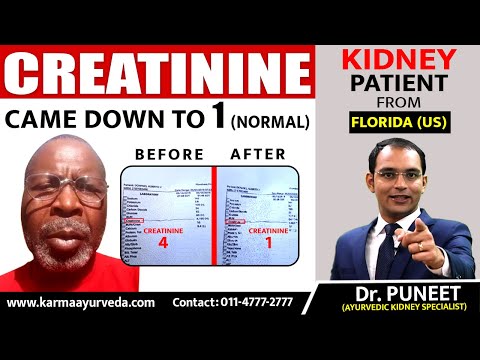
How to Avoid Dialysis Naturally with Holistic Ayurvedic Treatment

Natural Healing from Stage 4 Kidney Disease Without Surgery

Complete Kidney Function Restoration and Relief from Swelling

Ayurvedic Nephrology Treatment & Urea Reduction Journey

Ayurvedic Kidney Detox & Organic Healing Transformation

Overcoming Kidney Damage with Pure Ayurvedic Medicines
Patient Medical Reports
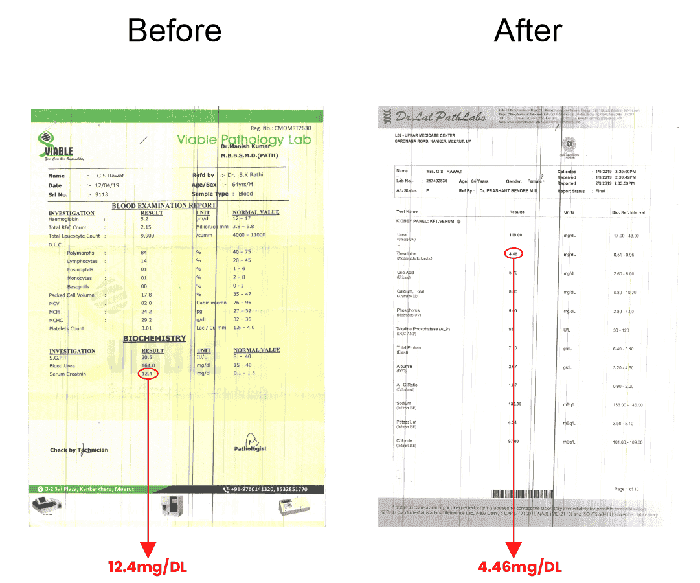
G.S. Rawat
Kidney Function Test (KFT) Lab Report
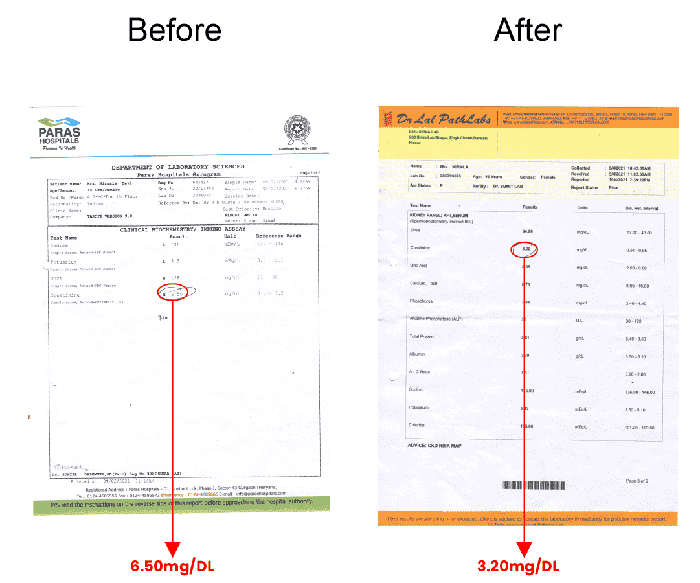
Smt. Nirmala Devi
Creatinine & Urea Improvement Report
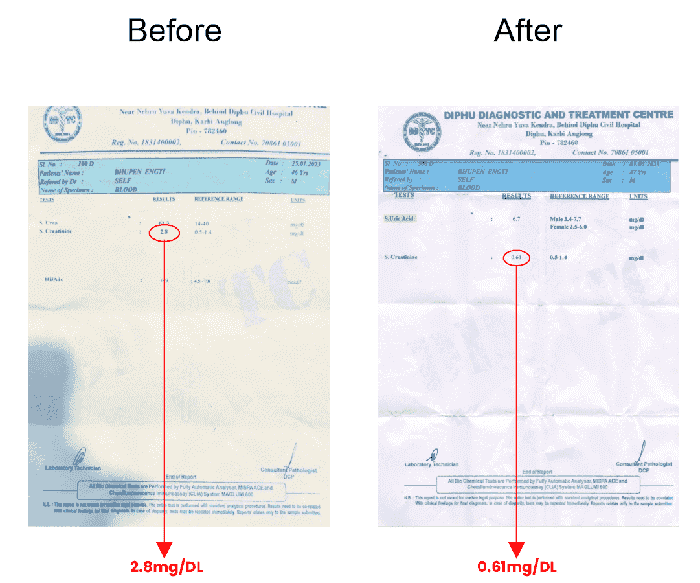
Bhupen
Renal Function Restoration Analysis
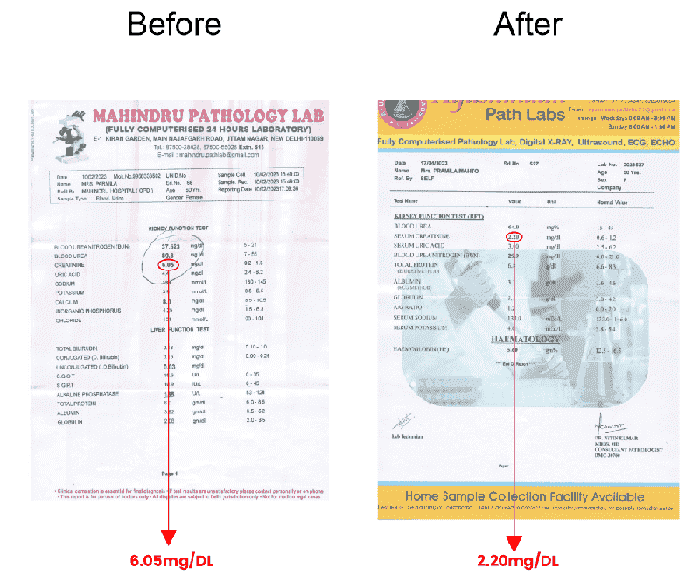
Permia
Post-Treatment Clinical Evaluation