
How Much Water Should You Drink in Liver Cirrhosis?
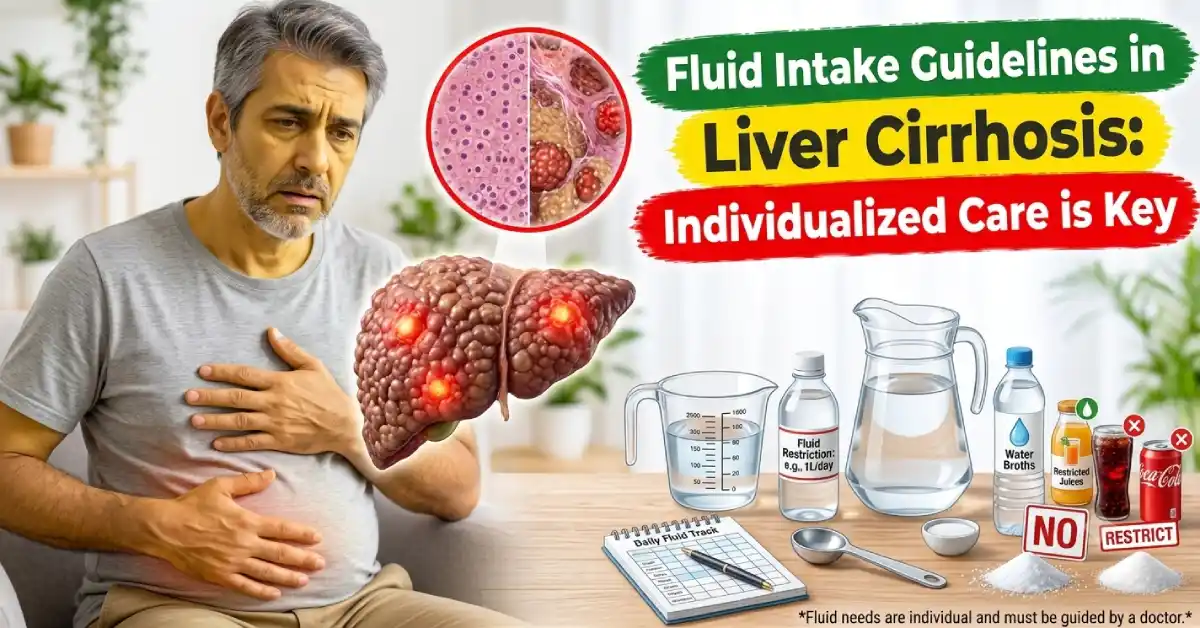
Usually, 1.5-2 liters per day is enough for most people, unless you have fluid buildup in your body or low blood sodium levels and your doctor advised you to reduce your daily intake of fluids. Therefore, you don't need to become a camel and drink water like there is no tomorrow, but you don't have to treat water like forbidden food either.
The way a person's body handles fluid in cases of cirrhosis complicatedly affects his/her functioning and can make this question confusing.
Why Fluids Are Tricky
Because scarring reduces the blood circulation in the liver, pressure builds up inside the organ, leading to leakage of fluid into the abdomen, called ascites. Together with lower levels of albumin and hormonal imbalances, this leads to salt and water retention in the body of an alcoholic.
So, Should You Avoid Water?
There are several major guidelines given for the operation of any such device as discussed above. Here is what these guidelines state:
- Without ascites or low sodium: no special restrictions are necessary.
- If there are ascites, then salt is the main enemy, not water. The EASL 2018 guidelines (Journal of Hepatology) and the AASLD 2021 guidelines on ascites (Biggins et al., Hepatology) state sodium restriction of about 2 g per day.
- For cases of hyponatremia that are more serious, there is a need for restriction only when sodium level falls rather low, about 125 mmol/L or even less. In these cases you have to call a doctor instead.
There is no confusion about thirst; there is confusion about salt.
Quick Comparison
| Situation | Water approach | Funny translation |
|---|---|---|
| Usual intake | ||
| Ascites | Usually watch salt first | Put the salt shaker down |
| Very low sodium diet | Doctor may restrict fluid intake | Adhere to the plan and do not drink any additional fluids |
The Importance of Not Forgetting the Unseen Salt
If you're trying to control swelling, there are some surprisingly sneaky source you might want to know:
- Packaged chips, namkeen, and instant noodles
- Pickles and papads
- Commercial sauces and masalas
- Canned soups and processed meats
The ESPEN 2019 guidelines on the nutrition in chronic liver disease (Plauth et al., Clinical Nutrition) also emphasized protein adequacy and regular meal pattern, including a late evening snack, rather than the previous advice to reduce protein intake. Sufficient intake is important.
Home Tips for Liver Cirrhosis
Some Home tips for liver cirrhosis that do not require a visit to the pharmacy:
Avoid drinking any alcohol, including any small exceptions.
- Cook with herbs and lemon instead of extra salt
- Weigh yourself regularly, because rapid weight gain indicates a fluid buildup.
- Eat small, frequent meals
Do not use the medication without consulting your doctor beforehand.
How About Ayurveda?
Liver cirrhosis Ayurvedic treatment attracts many patients seeking to complement standard care with traditional remedies. Bhumyamalaki, Kalmegh, Kutki and Punarnava are traditionally used in Ayurveda for this condition. These herbs are the most popular in Ayurveda for liver cirrhosis treatment, although clinical trials to confirm this are limited.
Now, let's get a dose of reality. Navarro and colleagues (2014, Hepatology) conducted research about liver injury from supplements in the US. It turned out that such supplements may be a reason for the injuries of the organ.
Dr. Puneet Dhawan, the fifth-generation Ayurvedic practitioner in Delhi, is among the names of the experts to visit if you choose this way of treatment. Remember to tell your gastroenterologist about every medication that you are taking if you decide to do this.
Final Thoughts
However, the optimal water intake for patients with liver cirrhosis is not a fixed number. It depends on the severity of swelling, the sodium concentration, and the patient's general condition. When deciding to visit AyuKarma for liver cirrhosis treatment, take it into consideration only as another option to discuss with your specialist rather than as a replacement of their recommendations.
Key Takeaways
- There is no need to restrict the amount of fluids for most people suffering from cirrhosis.
- Low sodium levels in the blood are the main cause of restricting water drinking.
- Salt control matters more than water control.
- There is hidden salt in packaged foods and that is the culprit.
The best herbs for liver cirrhosis treatment in Ayurveda are not automatically safe, so consult your doctor before taking any herbs.
FAQs
How many litres of water can a cirrhosis patient drink?
Usually about 1.5 to 2 litres, unless your doctor says otherwise.
Does cirrhosis mean I must restrict fluids?
Not always, only when blood sodium runs very low.
Is salt worse than water for belly swelling?
Yes, salt is usually the bigger troublemaker.
Can herbal remedies replace medical treatment?
Nope, they may complement care at best and can even cause harm.
Should I weigh myself regularly?
Yes, a sudden jump on the scale can be an early swelling clue.
Disclaimer
This blog is for general information only and isn't a substitute for professional medical advice, diagnosis or treatment. Fluid and diet needs in cirrhosis vary widely. Please consult your gastroenterologist or hepatologist before changing your water intake, diet or starting any herbal supplement.

Dr. Puneet Dhawan
Dr. Puneet is a highly respected Ayurvedic expert known for his deep knowledge and compassionate approach towards treating chronic health issues.
His USP is meticulously addressing the root cause of the disease rather than just superficially attending the surface level symptoms.
Patient Success Stories
View All 110+ Reviews"Poor liver function was affecting my digestion, skin health, and energy levels daily. Ayukarma’s holistic hepatic treatment cleansed my liver tissue and boosted bile production naturally. Over two months, my digestion became effortless, and my chronic tiredness cleared up completely. Ayukarma’s expertise in liver health is truly exceptional."
Sunita Kulkarni
Belgaum • Verified Patient
"Diagnosed with early-stage liver cirrhosis, I faced severe fluid buildup, weakness, and loss of appetite. Ayukarma provided vital supportive Ayurvedic care to protect my remaining liver tissue and halt further scarring. Within four months of taking their specialized hepatic regenerators, my abdominal heaviness reduced, my appetite returned, and my liver parameters stabilized. Ayukarma gave me invaluable physical stability and hope."
Brijeshwar Pandey
Allahabad • Verified Patient
Patient Recovery Stories

Chronic Kidney Disease Natural Recovery & Creatinine Improvement

Reduced High Creatinine Levels Naturally with Ayurveda
How to Avoid Dialysis Naturally with Holistic Ayurvedic Treatment

Natural Healing from Stage 4 Kidney Disease Without Surgery

Complete Kidney Function Restoration and Relief from Swelling

Ayurvedic Nephrology Treatment & Urea Reduction Journey

Ayurvedic Kidney Detox & Organic Healing Transformation

Overcoming Kidney Damage with Pure Ayurvedic Medicines
Patient Medical Reports
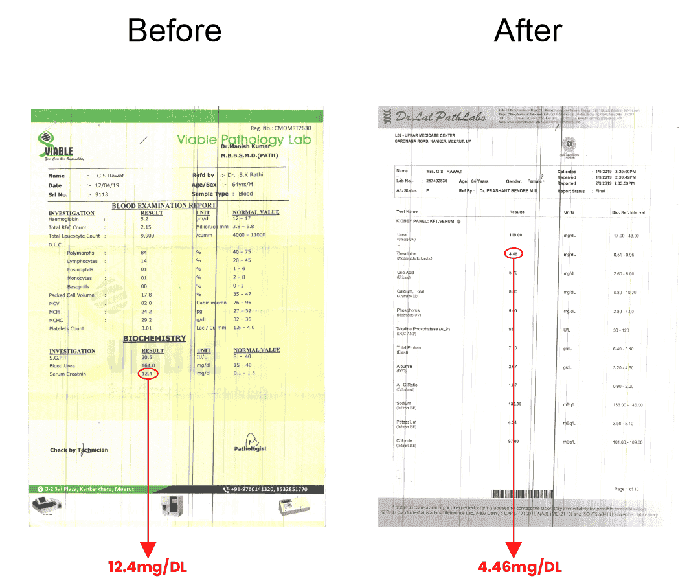
G.S. Rawat
Kidney Function Test (KFT) Lab Report
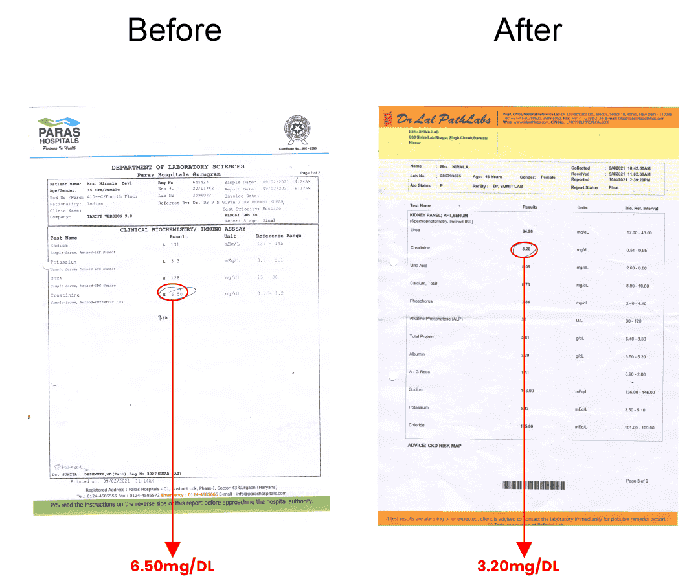
Smt. Nirmala Devi
Creatinine & Urea Improvement Report
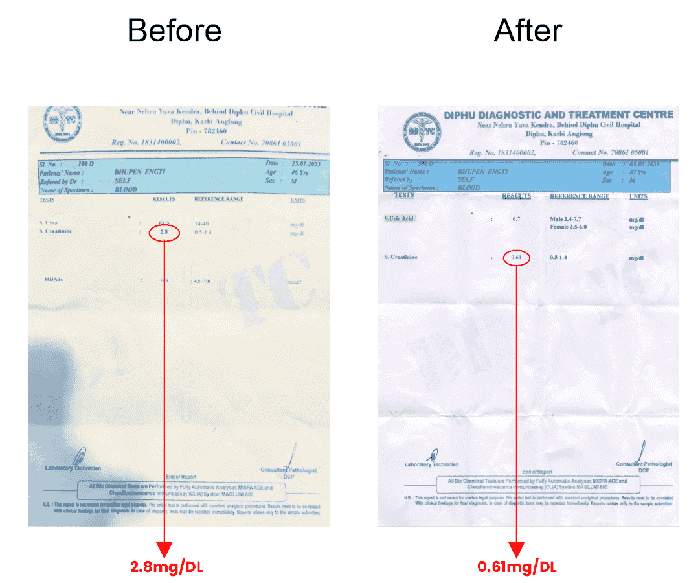
Bhupen
Renal Function Restoration Analysis
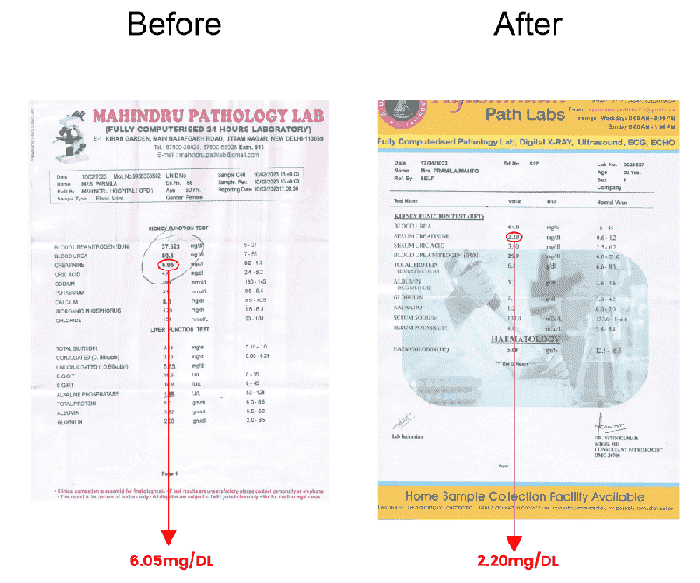
Permia
Post-Treatment Clinical Evaluation