


Which Yoga Is Best for Knee Pain?
If you’re wondering which yoga is best for knee pain, start with gentle, low-impact poses such as Bridge Pose, Cat-Cow, Mountain Pose, and supported stretches rather than deep knee bends. The best yoga for you is the kind that improves movement without making your knees complain louder than your alarm clock on Monday morning.
Knee pain can make ordinary things surprisingly difficult. Getting up from a chair, climbing stairs, walking around the house or simply sitting down can suddenly become a mini negotiation with your knees. This is where gentle yoga may have a useful role.
Yoga combines controlled movement, stretching, balance, breathing and body awareness. For people with knee osteoarthritis or general stiffness, that combination may help improve flexibility, muscle function and comfort when practiced appropriately.
Is yoga good for knees?
Yes, yoga can be good for knees, particularly when it is gentle and adapted to your ability. But yoga isn't a magic eraser for damaged cartilage, and forcing yourself into complicated poses isn't going to win any prizes.
Research is encouraging, although it isn't perfect.
A 2024 systematic review and meta-analysis published in PLOS ONE looked at eight randomized trials involving 756 people with knee osteoarthritis. It found that yoga was associated with improvements in pain, stiffness and physical function, although the studies had considerable variation.
A newer 2026 systematic review in the Journal of Back and Musculoskeletal Rehabilitation included 14 studies involving 1,183 people. It found that yoga may improve pain and physical function, but the researchers rated the certainty of the evidence as low and recommended interpreting the findings cautiously. (PubMed)
So, the sensible takeaway is simple: yoga may help manage knee symptoms, but it should complement; not replace; appropriate medical care.
Best Yoga for Knee Pain: 5 Gentle Options
You don't need to fold yourself into a human pretzel to support your knees. In fact, please don't.
Here are some beginner-friendly options that can be modified according to comfort.
1. Mountain Pose
Mountain Pose looks almost comically simple. You're basically standing there. But that's the point.
Stand tall with your feet comfortably apart and distribute your weight evenly between both legs. Keep your knees relaxed rather than locked.
It can encourage awareness of posture, balance and weight distribution.
Tip: If standing for long is uncomfortable, practice near a wall or sturdy chair.
2. Bridge Pose
Bridge Pose can gently work the muscles around the hips and thighs, which are important for supporting knee movement.
Lie on your back with your knees bent and feet comfortably positioned. Slowly lift your hips while keeping the movement controlled, then lower yourself down.
Don't push through sharp knee pain. Your yoga mat isn't a battlefield.
3. Cat-Cow Stretch
This gentle movement is performed on your hands and knees and focuses primarily on the spine, but it can also encourage overall mobility.
If kneeling hurts your knees, place a folded towel or yoga mat underneath them; or skip the pose altogether and use a chair-based variation.
4. Supported Warrior Pose
Warrior poses can strengthen and stretch several muscles in the legs. However, deep knee bending may not feel comfortable for everyone.
Try a modified Warrior Pose with a smaller bend in the front knee and use a wall or chair for balance.
The goal isn't to look like a yoga instructor on Instagram. The goal is to move comfortably.
5. Chair Yoga
For people with significant knee stiffness, chair yoga can be an excellent starting point.
You can perform gentle leg extensions, seated stretches, ankle movements and breathing exercises while sitting securely.
This can make yoga more accessible if getting onto or off the floor is difficult.
Yoga poses to be careful with when you have knee pain
Not every yoga pose is automatically knee-friendly.
Depending on the cause and severity of your pain, you may need to modify or avoid poses involving:
- Very deep squats
- Deep lunges
- Full kneeling
- Extreme knee flexion
- Sudden twisting movements
- Positions that place significant pressure directly on the knees
A useful rule? Mild stretching is one thing; sharp, increasing or persistent pain is another.
If a pose hurts, modify it. If it still hurts, skip it. Your knee will not send you a certificate for completing the pose.
How often should you do yoga for knee pain?
Consistency usually matters more than trying to complete one heroic two-hour session every Sunday.
Older research reviewing yoga for knee osteoarthritis found that many programs lasted at least eight weeks, with sessions commonly lasting 40–90 minutes. (PubMed)
The 2026 meta-analysis also suggested that programs lasting at least eight weeks were associated with more consistent pain benefits, although the evidence remains limited. (PubMed)
A practical starting point may be:
- 10–20 minutes of gentle yoga
- 3–5 days per week
- Gradually increase duration if your knees tolerate it
- Include strengthening and walking as appropriate
And remember: more isn't automatically better.
Yoga vs strengthening exercises for knee pain
Interestingly, a 2025 randomized clinical trial published in JAMA Network Open compared yoga with strengthening exercises in 117 adults with knee osteoarthritis.
Both groups experienced meaningful reductions in knee pain after 12 weeks. Yoga was not significantly better than strengthening exercises for pain, but it was found to be noninferior, while some secondary outcomes showed modest benefits for yoga in areas such as function, stiffness, quality of life and depression. (JAMA Network)
That gives us a useful perspective.
Approach | What it may help with
Gentle yoga | Flexibility, mobility, balance
Strength exercises | Muscle strength and knee support
Walking | General movement and endurance
Chair yoga | Gentle movement when floor poses are difficult
In other words, you don't necessarily have to pick yoga OR exercise. A sensible plan may include both.
Can yoga regenerate knee cartilage?
This is where we need to separate hope from evidence.
Searches for knee cartilage regeneration ayurveda or yoga for cartilage regeneration can produce some very confident claims online. But yoga itself has not been established as a treatment that regrows damaged knee cartilage.
Yoga may help with movement, muscle conditioning, flexibility and symptoms, but that is different from proving cartilage regeneration.
Similarly, Ayurvedic knee cartilage treatment and knee joint treatment in ayurveda may involve traditional approaches such as diet, herbs, massage or other therapies, but claims that a particular remedy can reliably regenerate lost cartilage need stronger clinical evidence.
If cartilage damage is suspected, it's worth getting the underlying problem assessed rather than relying solely on a home remedy.
Where can Ayurveda fit in?
Some people explore Ayurvedic remedies for knee pain alongside exercise and conventional care.
Ayurveda traditionally uses individualized approaches involving diet, lifestyle, herbs and therapies. However, evidence for specific Ayurvedic treatments varies considerably depending on the therapy and condition.
If you're considering Ayurvedic knee pain treatment, discuss it with a qualified practitioner and your healthcare professional, particularly if you're already taking medicines.
The same caution applies to searches for the best medicine for knee swelling in ayurveda, best medicines for knee pain, or the best Ayurvedic herbs for knee pain. There isn't one universally "best" medicine or herb for everyone because the cause of swelling and pain matters.
Some people may also search for Joint pain treatment in Ayurveda, Natural treatment for knee, or Knee pain natural treatment. Lifestyle measures can certainly be part of managing knee discomfort, but natural doesn't automatically mean risk-free or effective.
If you're specifically researching Karma Ayurveda for knee treatment or looking for information associated with Dr. Puneet Dhawan, make sure you distinguish general wellness guidance from individualized medical advice and verify claims with qualified professionals.
When should you stop exercising and get help?
Yoga shouldn't make significant knee symptoms worse.
Consider getting professional medical advice if you have:
- Severe or rapidly worsening pain
- Significant swelling
- A knee that locks or repeatedly gives way
- Inability to put weight on the leg
- Pain after a major injury
- Redness, warmth or fever alongside swelling
- Persistent symptoms that aren't improving
A physiotherapist or other qualified healthcare professional can also help modify exercises according to your specific condition.
Conclusion
So, which yoga is best for knee pain? Usually, the best starting point is gentle, controlled yoga that works on mobility, balance and supporting muscles without forcing the knee into painful positions.
Think less "How impressive does this pose look?" and more "How does my knee feel afterward?"
That mindset matters. Yoga can be a useful part of a broader knee-care routine, particularly when combined with appropriate strengthening, healthy movement and professional guidance when needed. And if your knee strongly objects to a particular pose, listen to it. Knees can be surprisingly opinionated.
FAQs
Which yoga is best for knee pain?
Gentle yoga such as modified Bridge Pose, Mountain Pose, Cat-Cow and chair yoga can be suitable starting points for many people.
Is yoga good for knee osteoarthritis?
Research suggests yoga may reduce pain and improve function and stiffness in people with knee osteoarthritis, although evidence quality varies. (PubMed)
Can yoga repair damaged knee cartilage?
Yoga may support movement and function, but there is not enough evidence to say that yoga can regenerate damaged knee cartilage.
Can I do yoga if my knees are swollen?
It's better to have significant or unexplained swelling assessed before exercising, especially if the swelling is painful or sudden.
How often should I do yoga for knee pain?
A gentle routine performed consistently several times a week may be more practical than occasional long sessions.
Key Takeaways
- Gentle yoga can support knee mobility, flexibility and function.
- Modified poses are generally more sensible than forcing deep knee bends.
- Research suggests yoga may help knee osteoarthritis symptoms, but the evidence isn't perfect. (PubMed)
- Strengthening exercises are also important and can work alongside yoga.
- Yoga has not been proven to regenerate damaged knee cartilage.
- Persistent, severe or unusual knee pain and swelling deserve professional evaluation.
- The best exercise is ultimately one your knees tolerate well and you can actually stick with.
Disclaimer
This article is intended for general educational purposes and should not be considered medical advice. Knee pain can have many causes, including osteoarthritis, injury and inflammatory conditions. Speak with a qualified healthcare professional before starting a new exercise or treatment program, particularly if you have significant pain, swelling, an injury or another medical condition.
Recommended Care for Health

Karma Ayurveda KRM-Ren-Plus Ultra Kwath – Ayurvedic Kidney Detox & Creatinine Support Kit (Ministry of Ayush Approved)
Ayurvedic Kidney Detox Kit for individuals with high creatinine, high BP, diabetes, high uric acid, alcohol consumption habits, frequent painkiller use or early signs of kidney stress.

Dr. Puneet Dhawan
Dr. Puneet is a highly respected Ayurvedic expert known for his deep knowledge and compassionate approach towards treating chronic health issues.
His USP is meticulously addressing the root cause of the disease rather than just superficially attending the surface level symptoms.
Patient Success Stories
View All 110+ Reviews"Following a mild ischemic stroke, I suffered from right-side limb weakness and sluggish speech. Ayukarma’s neuro-rehabilitative Ayurvedic treatment focused on revamping my nerve circulation and muscle tone. Within four months of taking their vata-soothing formulas alongside basic physiotherapy, my leg strength improved enough to walk unassisted. My speech clarity also recovered remarkably. Ayukarma played a crucial role in my stroke recovery journey."
Venkatraman Iyer
Chennai • Verified Patient
"Post-stroke stiffness and poor motor coordination made my daily tasks dependent on others. Ayukarma provided a comprehensive nerve-revitalizing regimen that drastically reduced my muscle spasticity. Over sixteen weeks, my grip strength improved, and I regained control over my arm movements. The doctors were exceptionally encouraging and knowledgeable. Ayukarma gave me back my independence when I thought it was lost forever."
Gurucharan Singh
Ambala • Verified Patient
Patient Recovery Stories

Chronic Kidney Disease Natural Recovery & Creatinine Improvement

Reduced High Creatinine Levels Naturally with Ayurveda

How to Avoid Dialysis Naturally with Holistic Ayurvedic Treatment

Natural Healing from Stage 4 Kidney Disease Without Surgery

Complete Kidney Function Restoration and Relief from Swelling

Ayurvedic Nephrology Treatment & Urea Reduction Journey

Ayurvedic Kidney Detox & Organic Healing Transformation

Overcoming Kidney Damage with Pure Ayurvedic Medicines
Patient Medical Reports

G.S. Rawat
Kidney Function Test (KFT) Lab Report
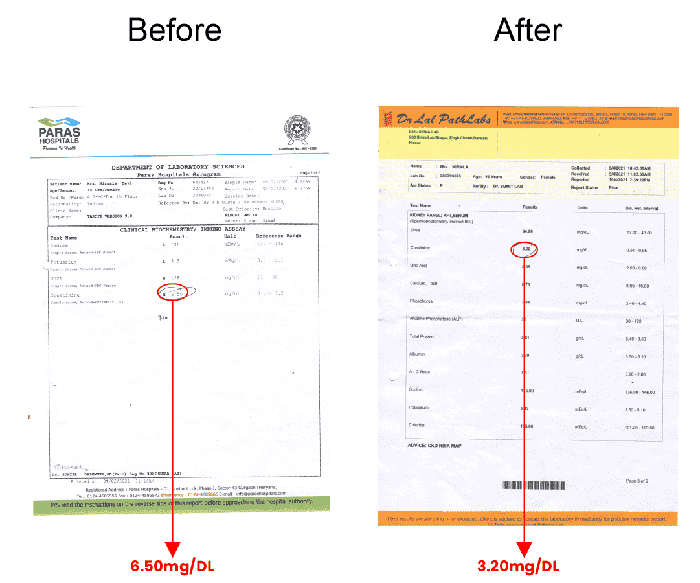
Smt. Nirmala Devi
Creatinine & Urea Improvement Report
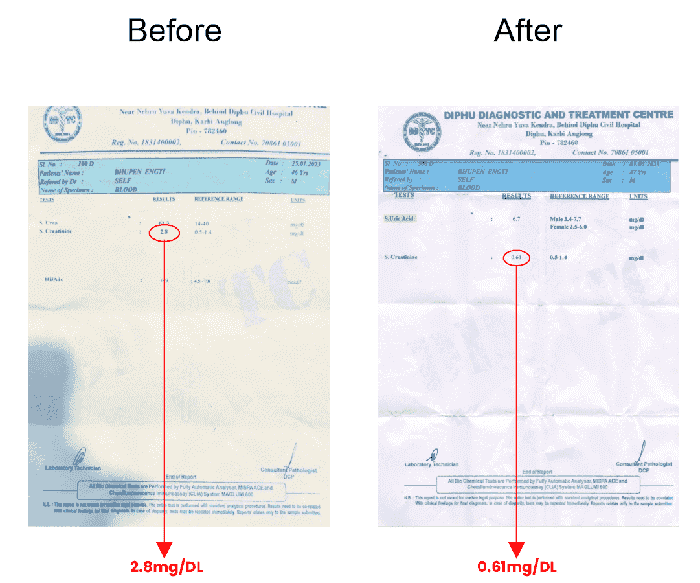
Bhupen
Renal Function Restoration Analysis
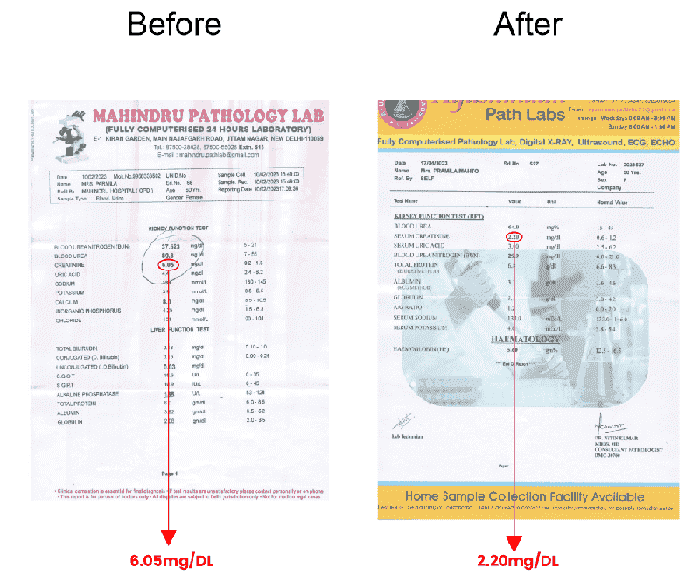
Permia
Post-Treatment Clinical Evaluation