
Do Squats Actually Make Knee Pain Worse?
Yes, squats can aggravate knee pain; but usually only if your form looks like a wobbly folding chair, or if you're pushing through genuine joint inflammation instead of respecting it. Done right, though, squats are actually one of the best moves out there for strengthening the muscles that support your joints and keeping you moving comfortably.
Let's be honest; there's nothing quite like the panic of hearing your joints crackle like dry twigs the moment you sit down. If you've ever cringed while lowering yourself into a chair, or dreaded a flight of stairs, you're definitely not alone. Knee discomfort is a classic unwanted guest that loves crashing our daily routines. But before you banish squats from your workout forever, let's actually look at what's happening under those kneecaps.
Why Do Your Knees Complain During Squats?
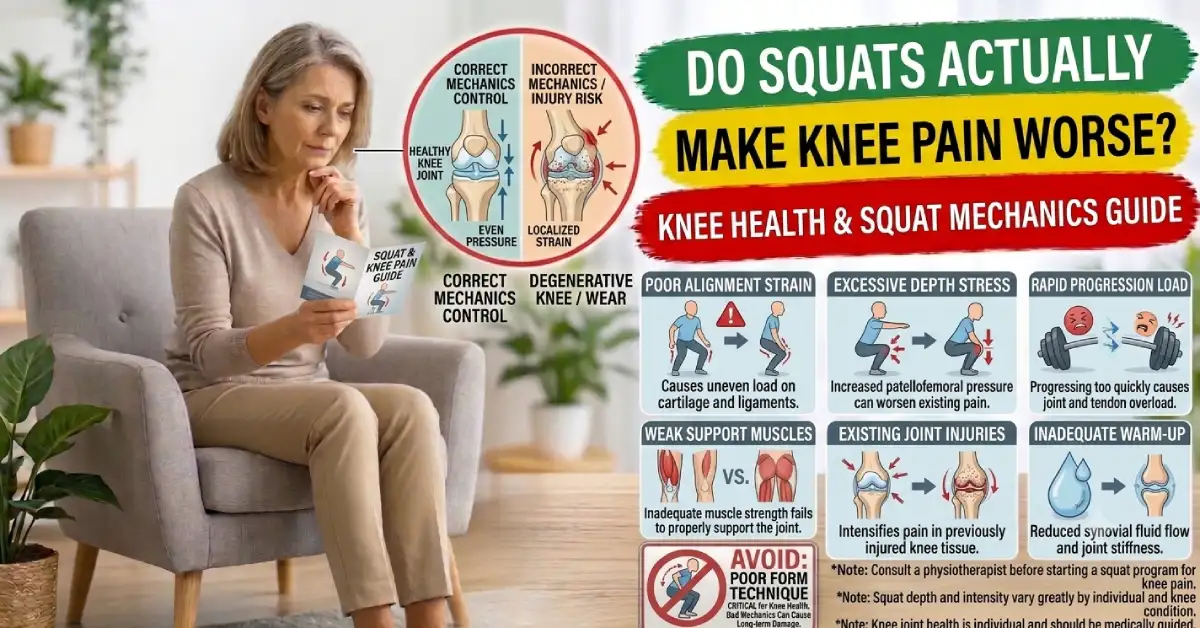
Your knee is essentially a giant hinge held together by ligaments, tendons, and cartilage. When you squat, that hinge takes on a whole lot of your body weight. Squats and knee pain often end up as unwanted workout partners for a few very specific reasons:
The "toe drift": Letting your knees cave inward or slide way past your toes puts excessive pressure on the patella; your kneecap.
Going deep too fast: Trying to touch your glutes to the floor before your joints are ready forces them to handle loads they simply can't manage yet.
Weak neighbors: If your glutes and hamstrings aren't pulling their weight, your poor knee joints end up absorbing 100% of the force on their own.
Ignoring inflammation: Trying to push through sharp, burning discomfort is basically asking for trouble.
When raw mechanical stress collides with underlying inflammation, your body sounds the alarm. That's exactly why taking a holistic approach; pairing proper movement with natural knee treatment; makes such a difference in keeping your joints happy.
What Science Actually Says About Exercise and Joint Health
If you're thinking that resting on the couch forever is the answer to cranky joints, science has some news for you.
A well-known study published in the Journal of Orthopaedic & Sports Physical Therapy found that controlled strength training; including properly loaded squatting patterns; significantly reduces joint discomfort and improves function in people dealing with joint degeneration. The motion works almost like a natural lubricant, pumping synovial fluid through the cartilage to deliver the nutrients it needs.
Another study from the Annals of Internal Medicine found that non-pharmacological approaches, including targeted physical movement and herbal support, can offer long-term relief without the digestive side effects that often come with relying on daily painkillers. Moving correctly really is a form of medicine.
Is It Soreness or Trouble? A Quick Comparison
It's crucial to know whether your joints are just throwing a temporary temper tantrum, or genuinely signaling it's time to take a break. Here's a handy way to read the signals:
| How It Feels | What Your Joint Is Trying to Say | What You Should Do |
|---|---|---|
| Dull, warm muscle ache | "Hey, we worked hard today!" | Keep moving, stretch, and celebrate the work |
| Pop and crackle (no pain) | "Just releasing a little air pressure here" | Keep going; noisy joints are surprisingly normal |
| Sharp, stabbing pinch | "Stop right now! Wrong angle!" | Pause immediately, check your form, or rest |
| Swelling and heat post-workout | "We are inflamed and overloaded" | Apply ice, elevate, and consider a natural treatment for knee care |
Smart Alternatives to Traditional Squats
If standard squats are a hard no for your body right now, you don't have to give up entirely; you can tweak the movement while you focus on recovery:
Box squats: Sit back onto a sturdy chair or bench. This takes the pressure off your patellar tendon and teaches your glutes to do the heavy lifting instead.
Wall sits: Hold a static 90-degree angle against a smooth wall. You get all the thigh-strengthening benefits without grinding the joint back and forth.
Glute bridges: Lie on your back and drive your hips up. This strengthens the back of your legs without putting a single ounce of pressure on your kneecaps.
Nurturing Your Joints From the Inside Out
Fixing your movement form is only half the battle. If your joints are constantly inflamed from the inside, even the most technically perfect squat can still pinch. That's where exploring the best herbs for knee pain and time-tested wellness practices comes into the picture.
When people go looking for structured guidance, many turn to specialized experts. Practitioners like Dr. Puneet Dhawan emphasize root-cause healing through plant-based protocols. Approaches like AyuKarma for knee pain treatment aim to manage joint discomfort naturally by blending traditional botanical knowledge with balanced lifestyle changes, helping people steer clear of harsh chemicals wherever possible.
Combining herbal remedies with gentle movement creates a solid environment for your cartilage to recover. Herbal options often rank among the best medicines for knee pain because they work with the body's natural inflammatory response, rather than simply masking the signal.
Simple Fixes for a Pain-Free Squat
Before you drop down for another rep, run through this quick checklist:
Screw your feet into the floor. Twist your feet slightly outward, like you're trying to split a piece of paper on the ground between them. This instantly engages your glutes.
Hinge first. Send your hips back like you're sitting down on a questionable public toilet; don't just bend your legs straight forward.
Keep your chest high. Imagine a light in the middle of your chest that needs to keep shining on the wall in front of you.
Listen to your body. If something tweaks, stop. There are zero trophies for squatting through genuine joint pain.
Pairing these form tweaks with a reliable natural knee treatment helps keep your joints supple, strong, and pain-free for the long haul.
Key Takeaways
- Form is everything. Squats don't inherently ruin knees; poor technique and overloaded weight do.
- Movement is lubrication. Gentle, controlled strength work pumps healthy fluid into your cartilage.
- Listen to the signals. Sharp pain means stop immediately; mild muscle fatigue means you're building strength.
- Internal support matters. Combining exercise with the best herbs for knee pain offers a more holistic kind of relief.
- Holistic care works. Exploring approaches like AyuKarma for knee pain treatment under experts like Dr. Puneet Dhawan can help address underlying inflammation naturally.
Frequently Asked Questions
Can I squat every day if I have mild joint discomfort?
No; your joints and surrounding muscles need rest days to properly repair and recover.
Are noisy, popping knees during squats a bad sign?
No, painless popping is usually just harmless gas bubbles escaping, but popping accompanied by pain demands attention.
What's the best natural treatment for knee joint stiffness?
A combination of gentle movement, warm compresses, and anti-inflammatory remedies like turmeric tends to offer solid natural relief.
When should I seek guidance from a specialist like Dr. Puneet Dhawan?
You should seek professional care if joint pain persists, swells up, or starts interfering with basic daily activities like walking.
Disclaimer
This article is for informational and educational purposes only and shouldn't be taken as professional medical advice, diagnosis, or treatment. Always consult a qualified healthcare provider or physical therapist before starting any new exercise routine, herbal protocol, or health regimen, especially if you have pre-existing joint conditions or severe pain.

Dr. Puneet Dhawan
Dr. Puneet is a highly respected Ayurvedic expert known for his deep knowledge and compassionate approach towards treating chronic health issues.
His USP is meticulously addressing the root cause of the disease rather than just superficially attending the surface level symptoms.
Patient Success Stories
View All 110+ Reviews"Chronic gout stiffness and severe joint throbbing in my feet made walking painful. Ayukarma’s Ayurvedic protocol targeted my internal metabolism and cleared uric acid crystal accumulation naturally. After eight weeks of their specialized herbal treatment, my toe pain vanished, and I regained full flexibility. I can now walk comfortably without fearing sudden joint flare-ups, thanks to Ayukarma."
Brijesh Saxena
Gwalior • Verified Patient
"Crepitus, sharp knee pain, and stiffness made climbing stairs or walking to the local market painful. Doctors suggested knee replacement, but I wanted to try Ayurveda first. Ayukarma’s joint rejuvenation protocol reduced my synovia inflammation and strengthened the knee cartilage naturally. Within three months, the constant joint throbbing vanished, and I can now walk comfortably without support. Ayukarma saved me from invasive knee surgery."
Harish Chandra
Dehradun • Verified Patient
Patient Recovery Stories

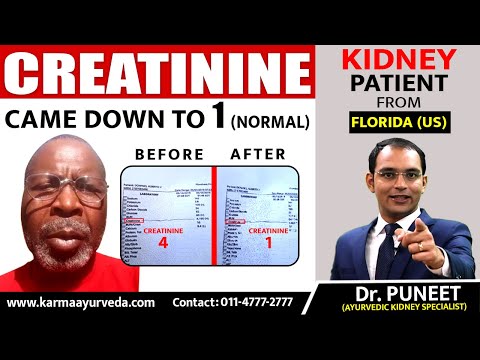
Chronic Kidney Disease Natural Recovery & Creatinine Improvement

Reduced High Creatinine Levels Naturally with Ayurveda
How to Avoid Dialysis Naturally with Holistic Ayurvedic Treatment

Natural Healing from Stage 4 Kidney Disease Without Surgery

Complete Kidney Function Restoration and Relief from Swelling

Ayurvedic Nephrology Treatment & Urea Reduction Journey

Ayurvedic Kidney Detox & Organic Healing Transformation

Overcoming Kidney Damage with Pure Ayurvedic Medicines
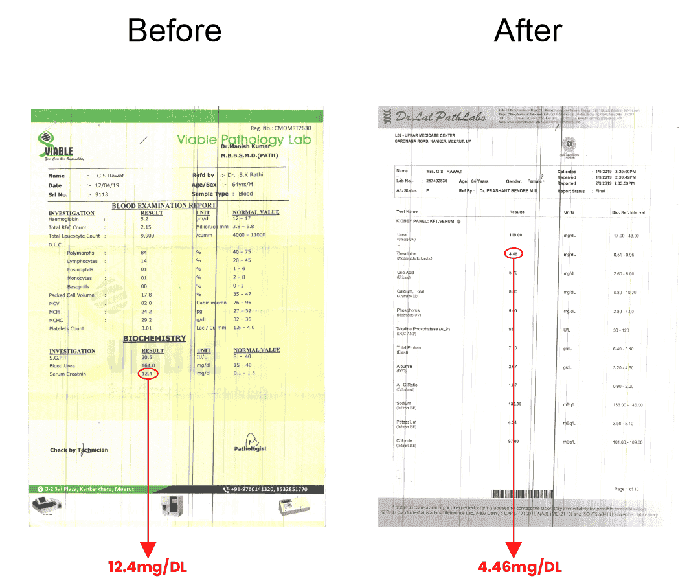
Patient Medical Reports
G.S. Rawat
Kidney Function Test (KFT) Lab Report
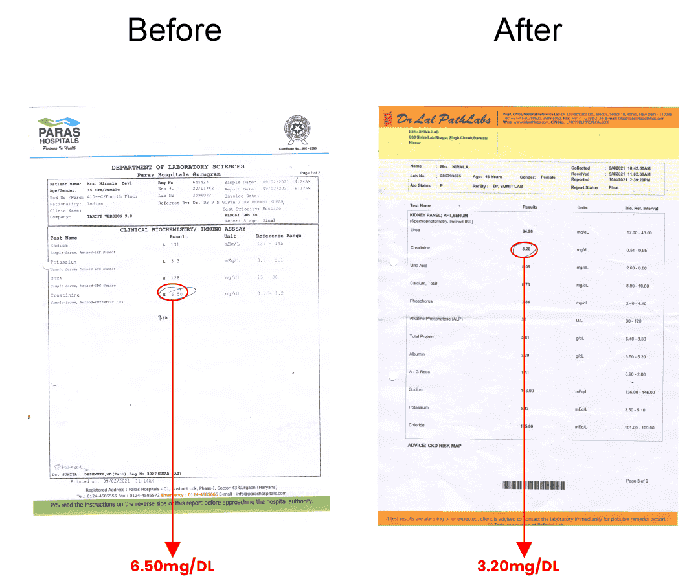
Smt. Nirmala Devi
Creatinine & Urea Improvement Report
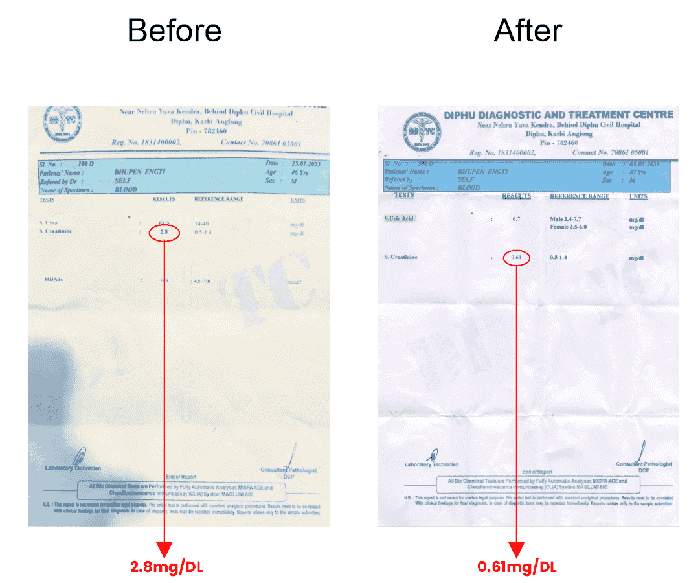
Bhupen
Renal Function Restoration Analysis
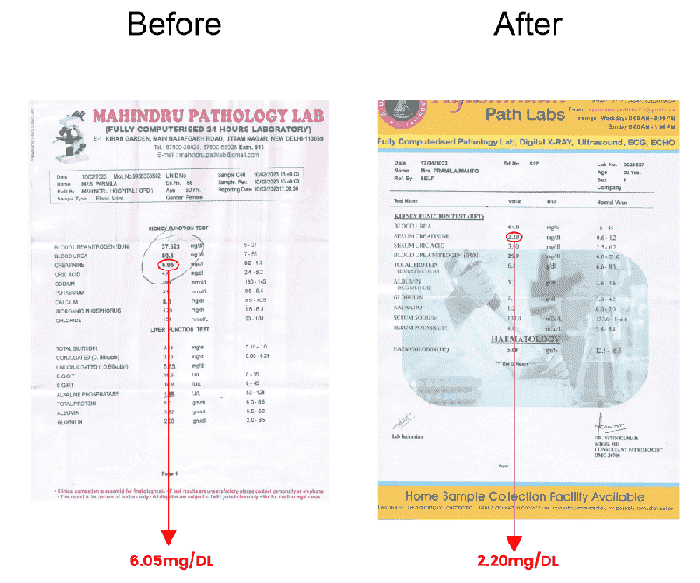
Permia
Post-Treatment Clinical Evaluation