

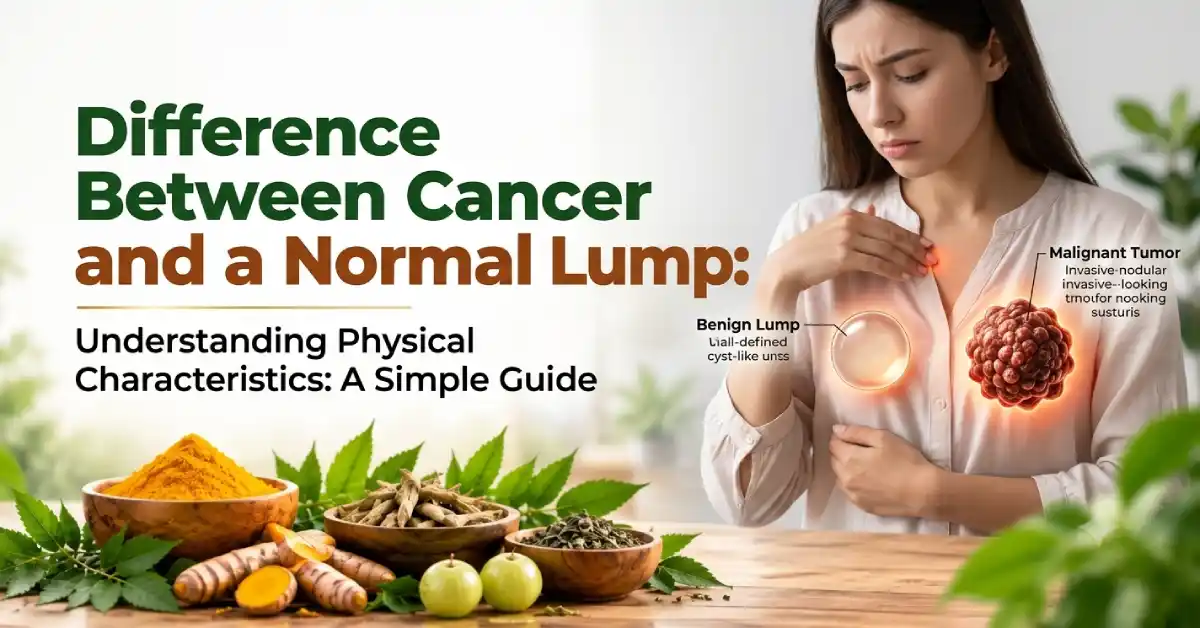
What Is the Difference Between Cancer and a Normal Lump?
Finding a lump on your own body has a very specific way of making your brain jump straight to the worst-case scenario. One second you're just casually checking, the next you're lying awake Googling symptoms at 2 a.m. Here's the thing though; most lumps aren't cancer. Cysts, infections, swollen glands, benign growths... there's a long list of harmless reasons a lump shows up. The real answer to "is this cancer or not" usually comes from an actual exam, imaging, and sometimes a biopsy; not from poking at it and hoping you can tell by feel.
That said, a new or changing lump shouldn't just get ignored either. So let's go through how to think about this without spiraling.
What Is a Normal or Benign Lump?
A benign lump is just a growth or swelling that isn't cancer and doesn't spread anywhere or invade nearby tissue. Depending on where it shows up, it might be:
- A fluid-filled cyst
- A lipoma; a soft pocket of fatty tissue
- Swollen lymph nodes
- An infection or inflammation
- A fibroadenoma in the breast
- A benign thyroid nodule
- Just a reaction to a minor injury
Some of these come and go on their own. Others stick around for years and never cause a single problem. Lipomas, for instance, tend to be soft and slide around a bit under the skin. Cysts can feel smooth, or tender if they get inflamed. Swollen lymph nodes usually show up alongside an infection and settle down once that clears.
Basically, your body sometimes just makes lumps without asking permission first.
What Can Make a Lump More Concerning?
No single physical trait can prove a lump is cancer; that's worth repeating. But certain features are worth getting checked out sooner rather than later. Cancer-related lumps can sometimes be:
- Firm or hard
- Fixed in place, not really movable
- Irregular in shape
- Sticking around, or slowly growing
- Usually painless; though not always
- Paired with changes in the skin nearby
The National Cancer Institute points out that cancer symptoms overlap heavily with symptoms caused by totally benign issues, infections, or injuries; which is exactly why persistent symptoms are worth getting checked rather than waiting around for pain to show up.
And here's the twist that trips people up: pain doesn't mean a lump is harmless, and no pain doesn't mean it's cancer either.
Benign vs. Cancerous Lump: A Quick Comparison
| Feature | Often seen with benign lumps | Can be seen with cancer |
|---|---|---|
| Texture | Soft, rubbery or smooth | May be firm or hard |
| Movement | May move under the skin | May feel fixed |
| Growth | Often stable or slow | May steadily enlarge |
| Pain | Can be tender | Often painless, but not always |
| Shape | Often smooth | May be irregular |
| Diagnosis | Examination/imaging | Imaging + biopsy when needed |
Notice how "may" shows up in nearly every row? That's on purpose; your body rarely sticks to the textbook. The American Cancer Society notes that a painless, hard, fixed lump with irregular edges is more likely to be cancer, but breast cancer can just as easily show up soft, round, or tender. And most breast lumps still turn out not to be cancer at all.
Which is really just to say: squeezing a lump repeatedly trying to diagnose it yourself isn't exactly a reliable method.
When Should You Get a Lump Checked?
Get a new lump looked at if it:
- Keeps growing
- Sticks around for several weeks
- Turns hard or fixed
- Keeps coming back
- Shows up alongside unexplained weight loss or ongoing fatigue
- Comes with unusual bleeding or discharge
- Causes changes to the skin over it
- Comes with a persistent fever or night sweats
- Appears in the breast, neck, armpit, groin, or elsewhere and just doesn't go away
Breast changes especially deserve attention; a new lump, nipple discharge, dimpling, redness, thickening, or any change around the nipple should get looked at by a professional. None of this means "you have cancer." It just means it's time to find out what's actually going on.
How Is a Lump Actually Diagnosed?
This is the part where an actual doctor beats internet detective work every time. A healthcare professional will usually start with a physical exam and questions like:
- When did you first notice it?
- Has it changed in size?
- Does it hurt?
- Has it moved, or stayed put?
- Any other symptoms?
- Any relevant family or medical history?
From there, depending on where it is and what it looks like, testing might include:
1. Ultrasound; helps figure out if a lump is fluid-filled or solid, and gives a look at its structure.
2. Mammogram; for breast lumps, depending on age and clinical findings.
3. CT or MRI; useful for anything deeper or more complicated.
4. Biopsy; a small tissue sample examined under a microscope. When cancer needs to be ruled in or out for certain, this is usually the step that settles it.
So honestly, if you're trying to figure out the difference between cancer and a normal lump just by looking at it or feeling it; appearance and touch can raise a flag, but they can't give you the actual answer.
Can Cancer Be Treated Naturally?
This is where things online get murky fast. People search for natural treatment for cancer because it sounds gentler, safer, easier to live with. That's a completely understandable instinct. But "natural" doesn't automatically mean effective; or even safe.
The National Cancer Institute is direct about this: there's currently no evidence that any specific diet, food, vitamin, mineral, supplement, or herb can slow cancer down, cure it, or stop it from coming back.
That's not to say nutrition and supportive care don't matter; they absolutely can support overall wellbeing during treatment. They just shouldn't be treated as a replacement for actual, evidence-based cancer care. And natural cancer treatment shouldn't be mistaken for a guaranteed cure, or used as a reason to put off getting diagnosed.
What About Herbs and Ayurvedic Approaches?
This is another spot where a lot of the claims floating around need a reality check.
People search for the best herbs for cancer or the best medicines for cancer fairly often, but there's no single herb or medicine that works across the board; cancer isn't one disease, it's many, and treatment depends on the type, stage, location, molecular makeup, and the person's overall health.
Some herbs are genuinely being studied; curcumin, for example, has come up in cancer research. But lab findings aren't the same thing as proof that turmeric cures cancer in actual people. The NCI is clear that complementary approaches need the same level of rigorous scientific testing as any other treatment before anyone should rely on them.
What About Cancer Treatment at Karma Ayurveda?
If you're looking into AyuKarma for cancer treatment, the focus should be on informed, personalized supportive care; not on promises that herbs alone can cure cancer.
Same goes for anyone hunting the best medicines for cancer; there's no such thing as one universal best. Oncologists choose treatment based on the specific cancer and the specific patient.
And if you come across Dr. Puneet Dhawan or another practitioner talking about supportive Ayurvedic care, it's worth asking directly: what is this actually meant to do, what evidence backs it, and could it interact with what you're already on. That question matters a lot more than whether the label says "natural."
What Scientific Studies Tell Us
The research is pretty clear on one point: a lump needs real evaluation whenever the cause isn't obvious. The National Cancer Institute's guidance is that persistent symptoms deserve medical assessment simply because the same symptom can point to a dozen different causes.
The American Cancer Society backs this up too; most breast lumps aren't cancer, but new lumps or changes still deserve a proper look. And NCI's review of complementary therapies makes another point worth remembering: some approaches may genuinely help with symptoms or quality of life, but the evidence for a lot of alternative treatments is thin, and some supplements can actively interfere with standard cancer drugs.
So, the sensible middle ground is exactly what it sounds like: don't panic over every lump, but don't brush off a persistent one either.
Conclusion
You genuinely can't always tell the difference between cancer and a normal lump just by looking or feeling. A harmless cyst can feel unsettlingly similar to something serious, and a lump that looks alarming can turn out to be completely benign. The smart move is to notice changes, skip the unnecessary panic, and get anything persistent or suspicious properly checked out.
And if you're considering natural cancer treatment, herbal remedies, or complementary care of any kind; keep your medical team in the loop. That kind of care can absolutely play a supportive role for some people. It just should never come at the cost of delaying an actual diagnosis or evidence-based treatment.
Your body might throw a lump at you out of nowhere someday. The right response isn't panic; it's getting it properly checked.
Key Takeaways
- Most lumps are not automatically cancer.
- Benign lumps can be soft, smooth, movable, or tied to cysts, fatty tissue, or inflammation.
- Cancerous lumps can be hard, fixed, irregular, and painless; but there are plenty of exceptions.
- Pain alone can't tell you whether something is cancerous.
- Persistent, growing, or changing lumps deserve a proper medical check.
- A biopsy may be needed when exam and imaging alone can't rule cancer out.
- No herb or special diet has been scientifically proven to cure cancer.
- Always run herbs and supplements by your doctor; some can interfere with cancer medications.
Frequently Asked Questions
Can a normal lump turn into cancer?
Most benign lumps stay benign, though certain types can carry a slightly higher future risk.
Is a hard lump always cancer?
No; plenty of non-cancerous conditions can cause a hard lump. A proper exam is still the way to know for sure.
Can a painful lump be cancer?
Yes. Many cancerous lumps are painless, but not all; so pain alone can't confirm or rule out cancer either way.
Can herbs cure cancer?
No reliable evidence currently supports any herb or herbal combination curing cancer.
When should I see a doctor about a lump?
If it persists, grows, changes, becomes fixed, or shows up with other unusual symptoms; get it checked.
Disclaimer
This article is for general educational purposes only and isn't a substitute for medical diagnosis or treatment. A lump can't be reliably classified as benign or cancerous based on symptoms alone. If you notice a new, persistent, growing, or changing lump, see a qualified healthcare professional for a proper exam and testing.

Dr. Puneet Dhawan
Dr. Puneet is a highly respected Ayurvedic expert known for his deep knowledge and compassionate approach towards treating chronic health issues.
His USP is meticulously addressing the root cause of the disease rather than just superficially attending the surface level symptoms.
Patient Success Stories
View All 110+ Reviews"Recovering from bladder cancer treatments left me with severe urinary burning, fatigue, and low immunity. I consulted Ayukarma for supportive herbal therapy to restore my bladder tissue health. Their customized rasayana blends and tissue-soothing formulations provided immense comfort within two months. The urinary irritation eased, and my overall physical energy returned. Ayukarma’s compassionate doctors gave me vital strength during my recovery journey."
Birendra Prasad
Patna • Verified Patient
"Post-surgical recovery for my bladder condition was slow, accompanied by urinary frequency and weakness. Ayukarma’s holistic care helped strengthen my urinary system and detoxified my body naturally. After three months of their prescribed herbal medicines, my stamina improved, and my urinary habits stabilized comfortably. Their team monitored my progress carefully at every step. Ayukarma was instrumental in rebuilding my health and confidence."
Tarun Sanyal
Kolkata • Verified Patient
Patient Recovery Stories

Chronic Kidney Disease Natural Recovery & Creatinine Improvement

Reduced High Creatinine Levels Naturally with Ayurveda
How to Avoid Dialysis Naturally with Holistic Ayurvedic Treatment

Natural Healing from Stage 4 Kidney Disease Without Surgery

Complete Kidney Function Restoration and Relief from Swelling

Ayurvedic Nephrology Treatment & Urea Reduction Journey

Ayurvedic Kidney Detox & Organic Healing Transformation

Overcoming Kidney Damage with Pure Ayurvedic Medicines
Patient Medical Reports
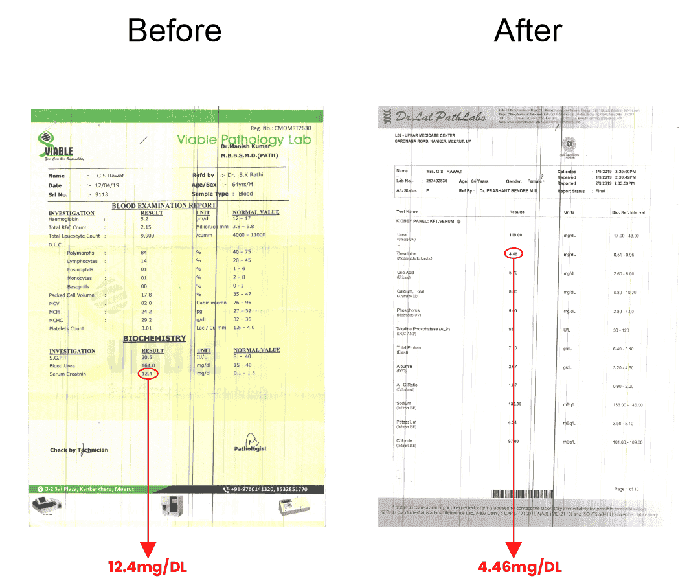
G.S. Rawat
Kidney Function Test (KFT) Lab Report
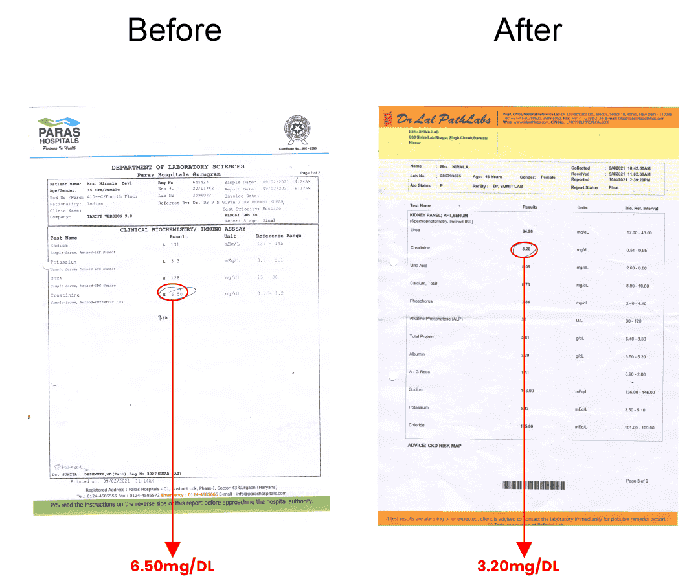
Smt. Nirmala Devi
Creatinine & Urea Improvement Report
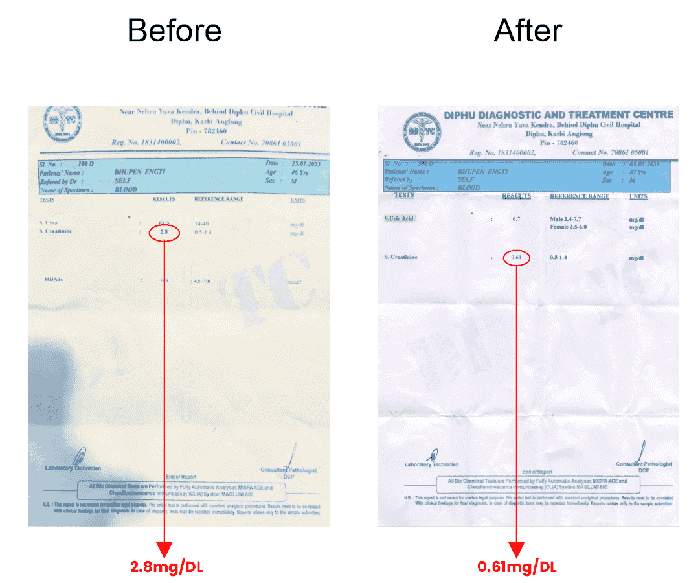
Bhupen
Renal Function Restoration Analysis
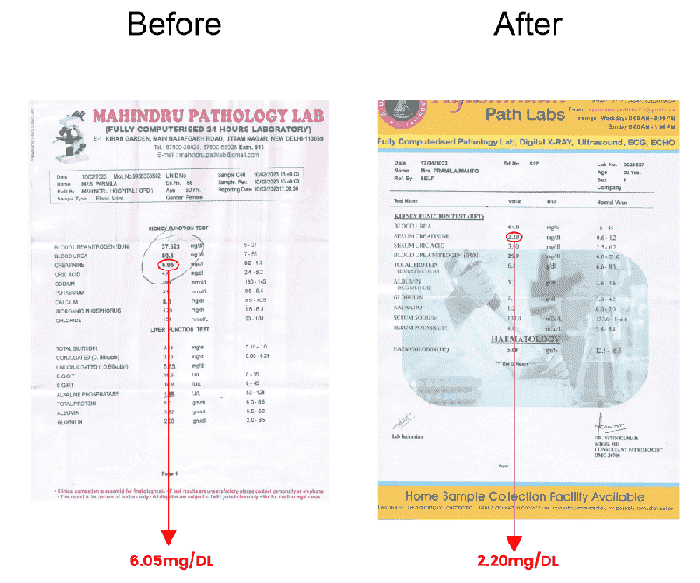
Permia
Post-Treatment Clinical Evaluation


