
.jpeg)
Exploring Treatment for Kidney Infection
The pain and disruption of such kidney infections, also known as pyelonephritis be severe. They frequently present with symptoms such as fever, back pain, frequent urination, and a burning feeling. With mainstream medicine being treated with antibiotics, the ancient medical science of Ayurveda, which has been practiced in India for more than 5000 years, facilitates a natural, holistic approach to conditioning the kidneys back to health. Through managing the body’s natural energies, supporting the digestive system, as well as utilizing herbal remedies, Ayurveda can be used as supplemental care to modern treatments or even as preventative care. We’re exploring a little more of how Ayurvedic treatment for kidney infection can be a part of treating and managing kidney infections below, including what to eat, what kind of lifestyle to lead, and some gentle, humanized remedies for this kind of healing.
Kidney Infections According to Ayurveda
According to Ayurveda, kidney infections are considered imbalances in the body’s doshas—Vata, Pitta, and Kapha. Kidneys work closely with the Mutravaha Srotas (urinary system), and excessive Pitta (heat and inflammation) or Kapha (mucus and congestion urinary tract) can cause infections. Impaired digestion, accumulation of toxins (Ama), and bad regimens of life can also be implicated. For example, over-consuming spicy, fried, or processed food can inflame Pitta, whilst inconsistent hydration or being sedentary can disturb Vata and Kapha equilibrium.
Ayurvedic treatment aims at reducing inflammation, removing toxin accumulations, increasing the kidney’s strength and restoring balance. This includes eating healthier, natural foods, using herbs, hydrating, and bringing rituals into your life that tune into your body’s natural cycle. Let’s break it down.
Natural Treatment for Kidney Infection: Diet Changes
The best treatment for kidney infection is incomplete without appropriate diet changes. Your diet plays a huge role in managing a kidney infection. Ayurveda emphasizes cooling, light, and easily digestible foods to soothe inflammation and support the kidneys. Here’s what to focus on:
- Hydration is key: Drink plenty of water to flush out toxins and bacteria. Ayurveda recommends sipping warm or room-temperature water throughout the day to avoid shocking the system. You can also try * Ushna Jala* (boiled and cooled water) to aid detoxification.
- Cooling foods: Incorporate foods like cucumber, watermelon, coconut water, and leafy greens to reduce Pitta-related heat. Fresh fruits like pears and apples (avoid sour ones like citrus) are gentle on the kidneys.
- Whole grains and legumes: Opt for barley, quinoa, and moong dal, which are light and nourishing. Barley water, in particular, is a traditional remedy for urinary issues as it cools the system and promotes urination.
- Avoid aggravators: Steer clear of spicy, fried, or heavy foods like red meat, caffeine, and alcohol, which can increase inflammation. Sour, salty, and processed foods should also be minimized.
Eating small, frequent meals and avoiding late-night dinners helps improve digestion and prevents Ama buildup, which can worsen infections.
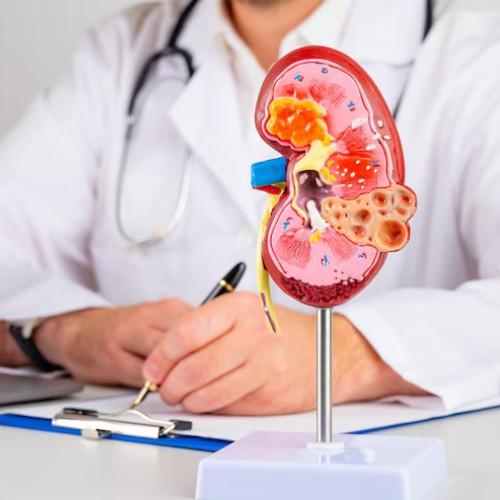
Herbal Remedies to Support Recovery
If you want to explore treatment for kidney infection without antibiotics, then opt for Ayurvedic treatment for kidney infection. Ayurveda relies heavily on herbs to treat infections and strengthen the body. Several herbs are known for their diuretic, anti-inflammatory, and antimicrobial properties, making them ideal for kidney infections. Always consult an Ayurvedic practitioner before starting any herbal regimen, especially if you’re on antibiotics or other medications. Here are some commonly used herbs:
- Punarnava: Known as a kidney rejuvenator, Punarnava reduces swelling, clears toxins, and supports urinary health. It’s often used in teas or powders.
- Gokshura: This herb is a natural diuretic that helps flush out bacteria and soothe the urinary tract. It’s also great for reducing pain during urination.
- Coriander and Cumin: These kitchen spices are cooling and anti-inflammatory. Boil coriander seeds in water or make a cumin-coriander-fennel tea to ease symptoms.
- Chandanasava: A traditional Ayurvedic formulation, this herbal tonic cools the urinary system and reduces burning sensations.
- Shilajit: A mineral-rich resin, Shilajit strengthens the kidneys and boosts immunity, but it should be used under guidance due to its potency.
These herbs work best when tailored to your dosha and overall health, so a professional assessment is crucial.
Lifestyle Practices for Healing
Ayurveda isn’t just about what you eat or take; it’s about how you live. Simple lifestyle changes can make a big difference in managing kidney infections:
- Stay active, but don’t overdo it: Gentle exercises like walking or yoga (think cooling poses like Child’s Pose or Forward Bend) improve circulation and reduce stress without taxing the body. Avoid intense workouts during an active infection.
- Prioritize rest: Your body needs energy to heal, so ensure you’re getting 7-8 hours of sleep and avoiding late nights.
- Practice Abhyanga: Self-massage with cooling oils like coconut or sesame (if Pitta is dominant) improves circulation and calms the nervous system.
- Manage stress: Stress can weaken immunity and aggravate symptoms. Try meditation, deep breathing (Pranayama), or journaling to stay grounded.
Ayurvedic Therapies for Kidney Infections
For deeper healing, Ayurvedic therapies like Panchakarma (detoxification) can be beneficial, but they’re typically recommended after the acute phase of the infection. Basti (medicated enema) and Virechana (purgation) help clear toxins and balance doshas. Local treatments like Kati Basti (warm oil therapy on the lower back) can relieve pain and inflammation around the kidneys. These should always be done under the supervision of a trained practitioner.
Precautions and When to Seek Modern Care
While Ayurveda offers powerful tools, kidney infections can be serious, especially if left untreated. If you experience high fever, severe pain, blood in urine, or symptoms lasting more than a few days, consult a doctor immediately. Ayurveda can work alongside antibiotics to speed recovery and prevent recurrence, but it’s not a substitute for urgent medical care. Always inform your healthcare provider about any herbs or remedies you’re using to avoid interactions.

Final Thoughts
Ayurveda offers a gentle, holistic way to support your body during a kidney infection. By focusing on cooling foods, healing herbs, and mindful lifestyle practices, you can reduce inflammation, flush out toxins, and strengthen your kidneys naturally. The beauty of Ayurveda lies in its personalized approach; work with a practitioner to tailor these recommendations to your unique constitution. With patience and care, you can nurture your body back to balance and prevent future issues. Do not just opt for fast treatment for kidney infection; go for a reliable, long-lasting one. Here’s to vibrant kidney health and a happier you!

Dr. Puneet Dhawan
Dr. Puneet is a highly respected Ayurvedic expert known for his deep knowledge and compassionate approach towards treating chronic health issues.
His USP is meticulously addressing the root cause of the disease rather than just superficially attending the surface level symptoms.
Patient Success Stories
View All 110+ Reviews"Living with Stage 3 Chronic Kidney Disease felt like a ticking clock, with creatinine levels hovering around 3.8 and constant exhaustion. Ayukarma gave me a realistic, disciplined path forward. Their herbal formulations, paired with a customized low-protein diet, helped manage my fluid retention and reduced my nausea over five months. My creatinine levels gradually stabilized to 2.4, and my morning fatigue has eased substantially. Ayukarma helped me regain control over my health without feeling overwhelmed."
Ananthakrishnan Nair
Kochi • Verified Patient
"When doctors warned me about impending dialysis due to worsening CKD, I sought an alternative pathway with Ayukarma. Their team instituted a comprehensive protocol using specialized Ayurvedic kidney-revitalizing herbs. Within four months of consistent treatment, my eGFR stabilized, and the persistent puffiness under my eyes cleared up entirely. My body feels lighter, and my digestion has improved immensely. Ayukarma gave me a genuine second chance at maintaining my renal health naturally."
Harvinder Singh
Ludhiana • Verified Patient
Patient Recovery Stories

Chronic Kidney Disease Natural Recovery & Creatinine Improvement

Reduced High Creatinine Levels Naturally with Ayurveda

How to Avoid Dialysis Naturally with Holistic Ayurvedic Treatment

Natural Healing from Stage 4 Kidney Disease Without Surgery

Complete Kidney Function Restoration and Relief from Swelling

Ayurvedic Nephrology Treatment & Urea Reduction Journey

Ayurvedic Kidney Detox & Organic Healing Transformation

Overcoming Kidney Damage with Pure Ayurvedic Medicines
Patient Medical Reports
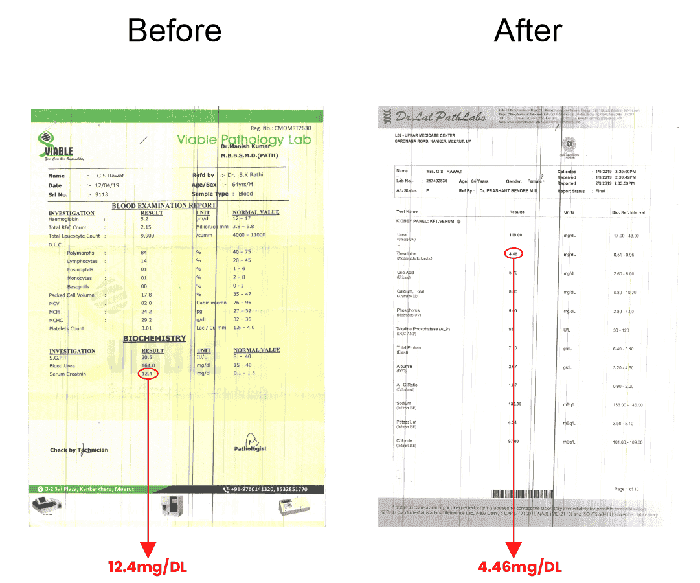
G.S. Rawat
Kidney Function Test (KFT) Lab Report
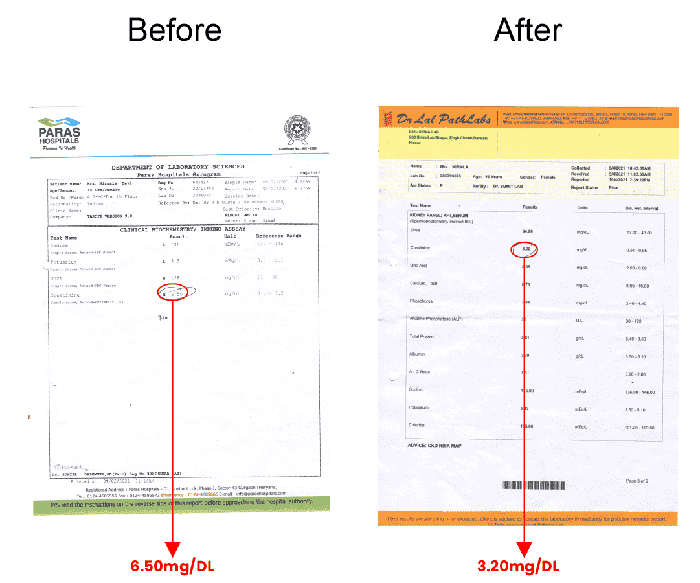
Smt. Nirmala Devi
Creatinine & Urea Improvement Report
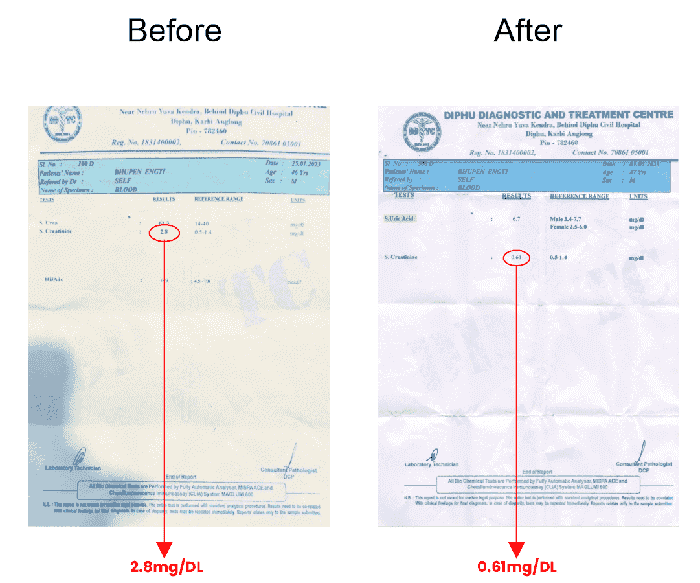
Bhupen
Renal Function Restoration Analysis
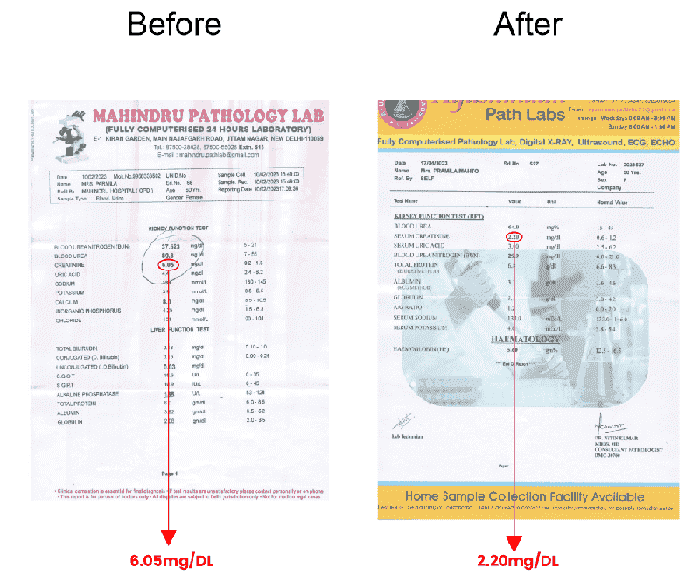
Permia
Post-Treatment Clinical Evaluation