

Why Is Stretching Important in Parkinson's?
Stretching in Parkinson's is helpful because it helps maintain flexibility, eases that feeling of stiffness, and makes everyday movements a bit less of a struggle. It's not a cure; nobody's claiming that; but as part of a well-rounded exercise routine, it can genuinely support mobility and how the body functions day to day.
And if you're picturing stretching as touching your toes while someone counts to ten, relax; nobody's auditioning for a yoga championship here. For people living with Parkinson's, simple, regular movement can play a real, meaningful role in daily care.
What Happens to Movement in Parkinson's?
Parkinson's disease affects the nervous system and can gradually change how the body controls movement. Common motor symptoms include muscle stiffness, slower movement, tremor, changes in posture, and trouble with walking or balance.
One problem that tends to creep in quietly is reduced flexibility. Muscles and joints start feeling tighter, movements shrink, and staying upright becomes more of an effort. Over time, this can start affecting simple, everyday things like:
- Turning in bed
- Getting up from a chair
- Reaching for something on a shelf
- Turning the neck while walking
- Putting on clothes
- Taking longer, more comfortable steps
This is exactly where stretching for Parkinson's starts to earn its place.
The Parkinson's Foundation lists flexibility as one of the four major pillars of an exercise programme, alongside aerobic activity, strength training, and balance and agility work. Their current guidance recommends flexibility work at least 2–3 days a week, with daily stretching potentially working even better.
Why Is Stretching Important in Parkinson's?
The reasoning here is pretty simple: movement gets easier when the body has enough range of motion to actually move properly.
Stretching can help maintain the length and flexibility of muscles, along with the range of motion available at different joints. This matters more than it sounds; because stiffness tends to make people move less, and moving less gradually makes everyday activities feel harder still.
Think of your body a bit like an old door. Open it regularly and it swings without much fuss. Leave it untouched for months and suddenly it's creaking and complaining with every movement. Your muscles aren't wooden doors, thankfully, but the basic principle; use it or it stiffens up; still holds.
1. It may help with muscle rigidity
Muscle rigidity is a well-known Parkinson's symptom; muscles can feel tight or resistant when you try to move them.
Gentle stretching may help the body move through a more comfortable range. The Parkinson's Foundation specifically notes that regular stretching can help address rigidity and maintain muscle and joint flexibility.
That doesn't mean stretching makes rigidity disappear for good. The real benefit is more about keeping movement going and stopping inactivity from becoming yet another obstacle on top of everything else.
2. It supports joint flexibility
Reduced flexibility can make ordinary movements feel surprisingly complicated. A stiff shoulder can make reaching overhead a chore. Tight hamstrings can affect how comfortable standing or walking feels. Limited movement around the hips or ankles can change how a person actually takes each step.
A regular flexibility routine can gently target these problem areas. Places that often benefit from attention include:
- Neck and shoulders
- Chest
- Upper back
- Lower back
- Hips
- Hamstrings
- Calves
- Wrists and hands
Exactly which exercises make sense really depends on the individual; their mobility, symptoms, pain levels, and balance.
3. It may support posture
Posture changes are common in Parkinson's, sometimes with a tendency toward a more flexed or forward-bent position.
Stretching the chest, shoulders, hips, and other tight spots can form one part of a programme aimed at encouraging better posture. But stretching alone isn't the whole answer here; strength training, balance work, and functional movement practice all matter too.
This is one reason modern Parkinson's exercise guidance leans on several types of activity rather than putting all the weight on a single exercise.
4. It can make everyday movement more comfortable
The point of stretching isn't to become incredibly flexible. Nobody needs to fold themselves into a human pretzel.
The practical goal is simpler: keeping enough mobility to get through daily tasks more comfortably and safely. Better shoulder movement, for instance, can make dressing easier, while maintaining hip and leg flexibility can support walking and getting up out of a chair.
What Does Science Actually Say About Stretching in Parkinson's?
There's encouraging evidence here, but it's worth not oversell it.
A 2025 systematic review of randomized controlled trials; titled The Effects of Stretching in Parkinson's Disease; analysed 12 randomized trials. The researchers found positive effects of stretching on motor symptoms and functional mobility, while results for balance, gait, strength, mental health, sleep, and several other outcomes came back mixed or weren't statistically significant.
That distinction actually matters quite a bit. Stretching looks useful, but it's one piece of a larger exercise puzzle; not a magic fix for every Parkinson's symptom out there.
Another important study, Exercise Sustains Motor Function in Parkinson's Disease, reviewed 109 studies covering 4,631 people with Parkinson's. It found evidence that regular exercise can help preserve motor function, mobility, and balance over time.
Similarly, a 2023 systematic review and meta-analysis looking at exercise "dose" found that programmes with stronger adherence to established exercise recommendations were linked to greater improvements in motor function, mobility, and quality of life than programmes with lower or uncertain adherence.
So the bigger message here really isn't "just stretch and everything sorts itself out." It's more: keep moving, mix in different forms of exercise, and make sure the programme actually fits the individual.
Which Stretching Exercises Can Be Useful?
A routine can honestly be quite simple. Depending on ability and professional advice, it might include:
- Gentle neck movements
- Shoulder rolls
- Chest-opening stretches
- Upper-back stretches
- Hamstring stretches
- Calf stretches
- Hip-flexor stretches
- Gentle trunk rotation
- Wrist and finger stretches
- Ankle movements
A physiotherapist experienced with Parkinson's can help figure out which areas need the most attention.
The Parkinson's Foundation recommends holding static stretches for roughly 15–30 seconds and doing dynamic stretching before exercise, adapting everything based on the person's ability and safety.
A Quick Comparison
| Movement | Main purpose | Keep in mind |
|---|---|---|
| Stretching | Flexibility & range of motion | Gentle, never painful |
| Strength training | Muscle strength | Progress gradually |
| Walking/aerobic exercise | Fitness & endurance | Choose a safe pace |
| Balance practice | Stability | Supervision may help |
In other words, stretching is an important team player; not the whole team.
How Often Should Someone Stretch?
Current Parkinson's exercise guidance suggests flexibility work at least 2–3 days a week, with daily practice potentially working even better.
Consistency matters far more than turning one random Sunday morning into a two-hour stretching marathon. It might be easier to work stretching into a routine by:
- Stretching after waking up
- Stretching after a warm shower
- Adding gentle stretches after a walk
- Taking short movement breaks during long periods of sitting
- Practising stretches around the same time each day
The Parkinson's Foundation also recommends staying active throughout the day generally, rather than sitting for long, uninterrupted stretches without moving.
Should Stretching Happen Before or After Exercise?
Both dynamic and static stretching have their place.
Dynamic stretching involves controlled movement through a comfortable range and works well as part of a warm-up. Static stretching, on the other hand, means gently easing into a stretch and holding the position for a bit.
Which one to use often depends on the activity and the person's physical condition. If balance is an issue, standing stretches might not always be safe without support; a chair, wall, stable surface, or professional supervision can make a real difference.
What Should People Avoid While Stretching?
More isn't always better here.
A stretch should generally produce a gentle pulling sensation; not sharp pain. A few simple rules worth keeping in mind:
- Don't bounce aggressively.
- Don't force a joint past its comfortable range.
- Don't hold your breath.
- Avoid stretching while dizzy or unusually fatigued.
- Use support if balance feels uncertain.
- Stop if something causes real pain.
- Ask a physiotherapist about modifications if osteoporosis, joint issues, or significant postural changes are in the picture.
The Parkinson's Foundation specifically advises against bouncing during stretches and recommends breathing steadily while avoiding anything painful.
Can Yoga Help With Flexibility?
Yoga blends stretching, controlled movement, breathing, and balance together, which makes it a genuinely interesting option for some people with Parkinson's.
That said, not every yoga pose suits every person. Someone dealing with significant balance problems may need seated or supported variations rather than attempting complicated standing poses; and there's absolutely no prize for falling over while trying to imitate a yoga instructor.
Exercise really should be adapted to fit the person, not the other way around. The Parkinson's Foundation lists yoga among the activities that can contribute to a broader exercise programme.
Where Do Natural Approaches Fit In?
Some people look into a Natural treatment for Parkinsons alongside their conventional medical care; things like exercise, yoga, relaxation techniques, diet, and other supportive approaches.
These can be worth discussing as complementary strategies, but Parkinson's disease still needs proper medical assessment and ongoing management. Stretching, or any other natural approach, shouldn't be treated as a replacement for prescribed treatment.
Similarly, Natural Parkinsons treatment is a phrase a lot of people search for online; but "natural" doesn't automatically mean effective or safe for every single person.
That same caution applies when people go looking for the best medicines for Parkinsons or the best herbs for Parkinsons. Treatment choices really do depend on symptoms, disease stage, other medications, medical history, and each person's individual circumstances. There's no single medicine or herb that's universally "best."
How Can an Ayurvedic Approach Be Discussed?
Some people also explore Ayurveda as part of their broader wellness routine. Dr. Puneet Dhawan is among the practitioners whose work is associated with Ayurvedic approaches to chronic health concerns.
If someone's considering AyuKarma for Parkinsons treatment, it makes sense to walk through their complete medical history, current medications, and exercise routine with qualified professionals, rather than treating Ayurveda as a stand-in for proper neurological care.
For people interested in Natural Parkinsons treatment, supportive practices like appropriate movement, sleep, nutrition, and stress-management can absolutely be discussed alongside standard care; just not in place of it.
When Should You Speak to a Physiotherapist?
A Parkinson's-specific physiotherapist can be especially valuable once stiffness, balance issues, walking changes, or trouble with daily activities start becoming noticeable.
NICE recommends Parkinson's-specific physiotherapy for people experiencing balance or motor-function problems, and suggests considering a physiotherapy assessment and education even in the earlier stages.
Professional guidance becomes particularly important if there are:
- Frequent falls
- Significant balance problems
- Pain during movement
- Severe stiffness
- Major posture changes
- Difficulty getting up or sitting down
- Freezing episodes
- New or worsening mobility problems
A personalised programme is going to be safer and more useful than copying some random exercise routine off the internet.
Conclusion
Stretching matters in Parkinson's because maintaining flexibility genuinely makes movement more comfortable and helps preserve useful range of motion. Research suggests stretching can improve certain motor and mobility outcomes, though its effects aren't equally strong across every symptom.
The bigger picture matters even more, though: stretching works best as part of a broader programme that includes aerobic exercise, strength training, balance practice, and functional movement.
There's no need to stretch for hours on end. A few gentle, consistent movements done safely tend to be far more practical than an ambitious routine that lasts three days before vanishing into the cupboard with the resistance bands.
Frequently Asked Questions
Is stretching good for Parkinson's disease?
Yes; regular stretching can help maintain flexibility and range of motion, and may improve some mobility and motor outcomes.
How often should someone with Parkinson's stretch?
Current exercise guidance recommends stretching at least 2–3 days a week, with daily flexibility work potentially offering more consistent benefits.
Can stretching reduce stiffness in Parkinson's?
Gentle stretching may help manage muscle tightness and preserve flexibility, though it doesn't eliminate the underlying disease or permanently remove rigidity.
Is yoga suitable for people with Parkinson's?
It can be, for many people; but poses need to be adapted to mobility, balance, pain, and individual safety needs.
Are the best medicines for Parkinsons the same for everyone?
No; medication choices are individualised based on symptoms, treatment response, other health conditions, and potential side effects.
Key Takeaways
- Stretching for Parkinson's can support flexibility and range of motion.
- It may help ease stiffness and support functional mobility.
- Daily gentle stretching can be useful when it's done safely and appropriately.
- Stretching should complement; not replace; strength, aerobic, and balance exercises.
- A Parkinson's-specific physiotherapist can personalise the routine.
- Never force a stretch into pain or instability.
- The evidence for stretching is promising, though not equally strong for every Parkinson's symptom.
- Dr. Puneet Dhawan and Ayurvedic approaches may be worth considering for people exploring complementary care, but such approaches should be discussed alongside appropriate neurological management.
Disclaimer
This article is for general educational purposes and doesn't replace medical diagnosis, prescription treatment, or personalized physiotherapy. Parkinson's symptoms and exercise tolerance vary from person to person. Consult a neurologist or qualified physiotherapist before starting or changing an exercise programme, particularly if balance, falls, pain, or other medical concerns are present.

Dr. Puneet Dhawan
Dr. Puneet is a highly respected Ayurvedic expert known for his deep knowledge and compassionate approach towards treating chronic health issues.
His USP is meticulously addressing the root cause of the disease rather than just superficially attending the surface level symptoms.
Patient Success Stories
View All 110+ Reviews"Managing Nephrotic Syndrome was an uphill battle with constant relapse, puffy eyelids, and low energy. Ayukarma’s holistic strategy changed things for me. Their specialized herbal formulas helped reduce protein loss in my urine while strengthening my immunity naturally. Within four months, my fluid balance restored, and I lost the sluggishness that held me back. The doctors monitored my routine diligently. I highly recommend Ayukarma for anyone looking for reliable, long-term renal wellness support."
Radhika Iyer
Coimbatore • Verified Patient
"When my elderly father began showing early signs of memory loss, confusion, and spatial disorientation, we sought Ayukarma’s neuro-supportive care. The doctors prescribed Medhya Rasayanas like Brahmi and Shankhpushpi to enhance cognitive nourishment. Over four months, we noticed a remarkable reduction in his anxiety, and his focus during daily routines improved significantly. He is calmer and more present today. Ayukarma gave our family immense comfort and gentle, meaningful support."
Arvind Swaminathan
Mysore • Verified Patient
Patient Recovery Stories

Chronic Kidney Disease Natural Recovery & Creatinine Improvement

Reduced High Creatinine Levels Naturally with Ayurveda

How to Avoid Dialysis Naturally with Holistic Ayurvedic Treatment

Natural Healing from Stage 4 Kidney Disease Without Surgery

Complete Kidney Function Restoration and Relief from Swelling

Ayurvedic Nephrology Treatment & Urea Reduction Journey

Ayurvedic Kidney Detox & Organic Healing Transformation

Overcoming Kidney Damage with Pure Ayurvedic Medicines
Patient Medical Reports
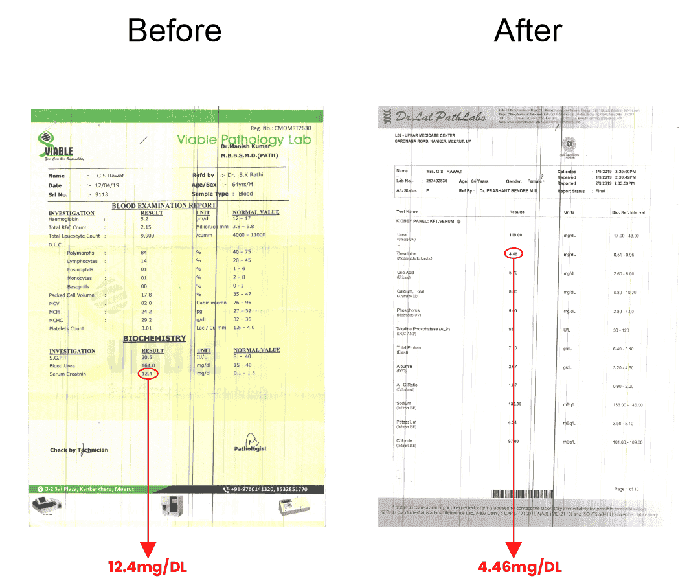
G.S. Rawat
Kidney Function Test (KFT) Lab Report
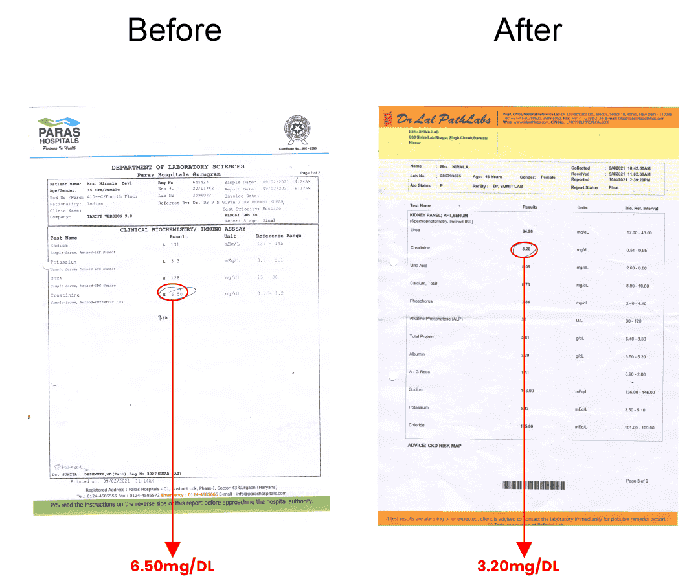
Smt. Nirmala Devi
Creatinine & Urea Improvement Report
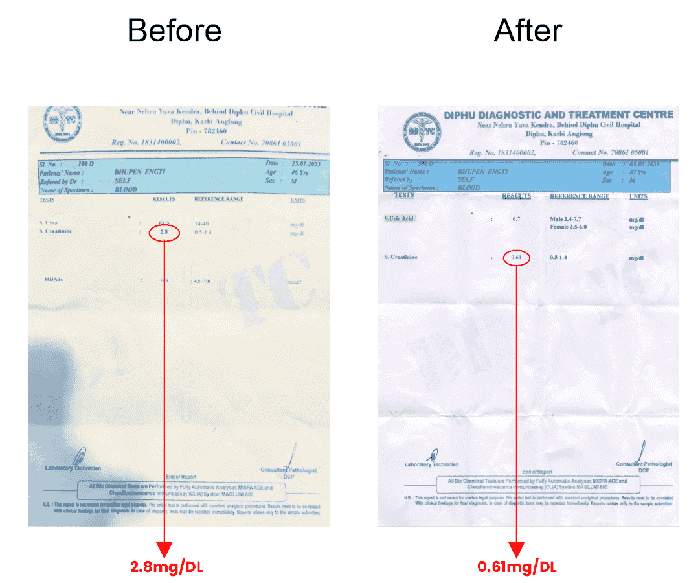
Bhupen
Renal Function Restoration Analysis
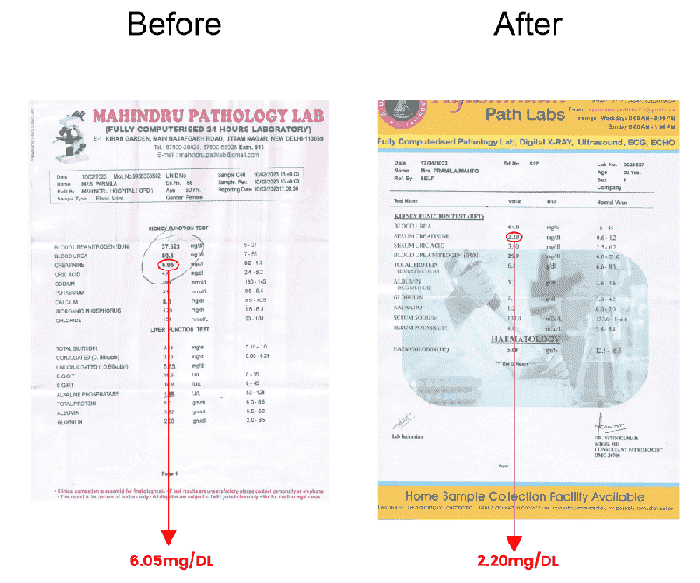
Permia
Post-Treatment Clinical Evaluation