

How Does Vitamin D Deficiency Affect Women?
It can wear down your energy, your bones and your mood, and it can nudge your cycles and hormones too, usually so quietly that you blame everything else first. Vitamin D deficiency in women is common, easy to miss, and fixable once somebody actually checks your levels.
We call it the sunshine vitamin, which is a bit rich when most of us spend the day under office lights and only see the sun through a window. Add sunscreen, covered clothing, pollution, darker skin and long hours indoors, and your skin makes a lot less than it could. Even in a sunny country, plenty of women turn out to be running low.
What Does Vitamin D Actually Do?
Mostly it helps your body absorb calcium, which your bones and teeth depend on. It also plays a part in muscle function, immunity and hormone signalling. So when the supply drops, a bunch of small things go a bit wrong at once, and that's exactly why it's so hard to spot.
The Signs Worth Noticing
The Symptoms of vitamin D deficiency in women look a lot like ordinary life, which is the annoying part:
- Tiredness that a full night's sleep doesn't fix
- Aching bones or sore muscles
- Feeling low or flat for no clear reason
- Hair thinning more than usual
- Catching every cold going around
- Small cuts and bruises taking ages to heal
None of these proves anything by itself. Lots of other things cause them too. A blood test for 25-hydroxyvitamin D is the only proper way to find out.
Bones, Moods and Monthly Cycles
Bones: Without enough vitamin D, calcium doesn't get absorbed well, and over the years that can weaken the skeleton. It matters most after menopause. The Women's Health Initiative trial (Jackson and colleagues, New England Journal of Medicine, 2006) gave postmenopausal women calcium plus vitamin D and found a small gain in hip bone density.
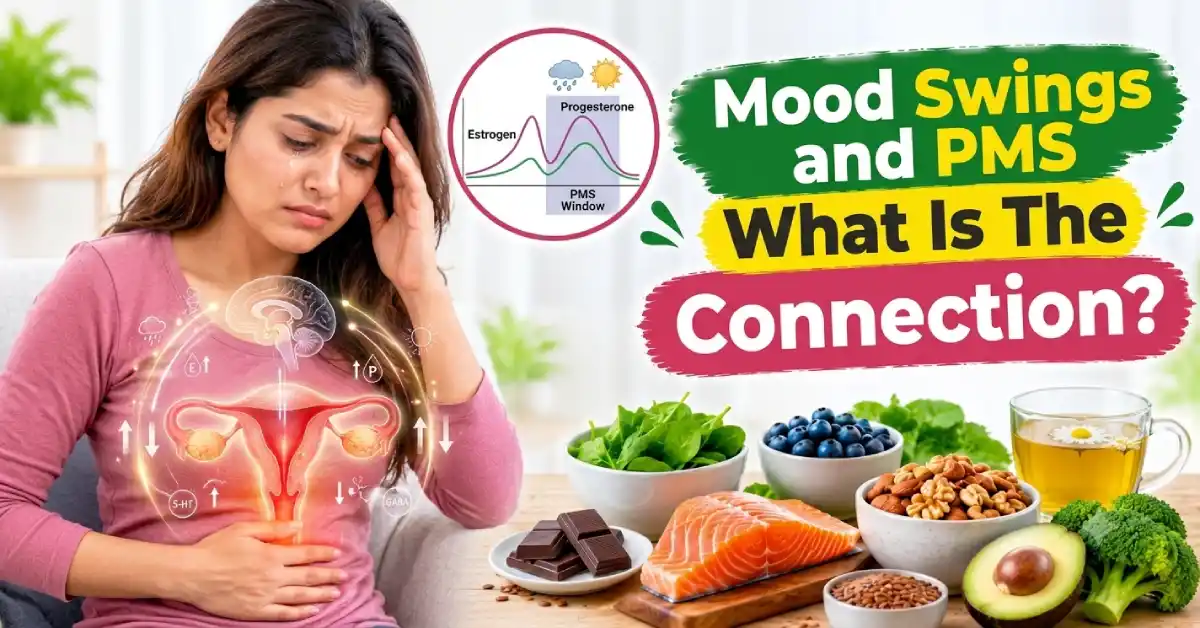
Periods and PMS: Bertone-Johnson and colleagues (Archives of Internal Medicine, 2005) followed a large group of women and found that those getting more vitamin D and calcium from food had a lower risk of developing premenstrual syndrome.
Fertility: A systematic review by Lerchbaum and Obermayer-Pietsch (European Journal of Endocrinology, 2012) found links between vitamin D and fertility outcomes. The authors were careful to say that more trials were needed, and I'd say the same.
When Hormones Are Already Complicated
Low vitamin D turns up fairly often in women with PCOS. Researchers still haven't settled whether it's a cause, a result, or just something that tags along. Either way, more women are now asking about PCOD Ayurvedic treatment while also getting their vitamin D checked. Ayurveda tends to treat diet, sleep, routine and stress as one package, and that can sit next to regular medical care. It shouldn't replace it.
Sun, Supplements or Food?
| Source | The good | The catch |
|---|---|---|
| Sunlight | Free, and no pill to remember | Depends on your skin tone, the season and how often you actually go outside |
| Supplements | Reliable and easy to measure | More isn't better, so the dose matters |
| Food (fish, eggs, fortified foods) | Tasty and simple | Hard to get enough from meals alone |
So What Can You Do?
The Endocrine Society guideline (Holick and colleagues, Journal of Clinical Endocrinology & Metabolism, 2011) is the standard reference for diagnosing and treating a deficiency. In everyday terms:
- Ask for a vitamin D test, especially if you're always tired or your bones ache.
- Get some daylight, without baking yourself.
- Eat foods that have vitamin D or are fortified with it.
- Take supplements only at the dose your doctor gives you.
- Retest after a few months to see whether anything changed.
If you're weighing up Ayurvedic treatment for PCOS on top of that, go in knowing the research is still limited, and that it works best next to proper testing and medical advice.
A Word on Herbs
Type best herbs for PCOS treatment into a search bar and you'll get a list as long as your arm. But herbs can interact with medicines, affect hormones, or be unsuitable in pregnancy. Natural and right for you are two different things, so run any herb past your doctor first.
The Bottom Line
You don't need to panic over every tired afternoon. But if it's a pattern, don't ignore it. One blood test tells you where you stand, and a sensible plan usually follows. If traditional approaches interest you as well, practitioners like Dr. Puneet Dhawan discuss them as part of individual care, with regular medical guidance still in the picture.
Key Takeaways
- Low vitamin D is common in women and often goes unnoticed.
- Fatigue, aches and low mood are vague signs, so testing matters.
- It can affect bones, mood, periods and possibly fertility.
- Sun, food and supplements all play a role, and the dose matters.
- Talk to your doctor before trying herbal or Ayurvedic options.
FAQs
What are the first signs of low vitamin D in women?
Usually tiredness, aching bones or muscles, and a mood that feels off.
Can low vitamin D affect periods?
It may play a part in PMS and cycle health, though plenty of other things do too.
Is sunlight enough to fix a deficiency?
Sometimes, but skin tone, season and lifestyle mean lots of women still need a boost.
Can I take vitamin D without a test?
Test first if you can, because taking more isn't always better.
Should I tell my doctor about herbs?
Yes, every time, since some herbs clash with medicines or hormones.
Disclaimer
This article is for general information and isn't medical advice. Vitamin D needs vary with age, health and medicines. Please speak to a qualified doctor before starting supplements, herbs or any new treatment, especially if you're pregnant or managing a hormonal condition.

Dr. Puneet Dhawan
Dr. Puneet is a highly respected Ayurvedic expert known for his deep knowledge and compassionate approach towards treating chronic health issues.
His USP is meticulously addressing the root cause of the disease rather than just superficially attending the surface level symptoms.
Patient Success Stories
View All 110+ Reviews"Nerve pain and severe fatigue from MS were severely impacting my daily independence. Ayukarma’s nerve-revitalizing herbal regimen helped ground my nervous system and improved my physical stamina over twelve weeks. The sudden shooting nerve pain subsided, and my energy levels surged. Ayukarma’s holistic support has been a true blessing for my long-term health."
Sandeep Verma
Chandigarh • Verified Patient
"Severe throbbing pain, itching, and bleeding during bowel movements made sitting or walking excruciating due to bleeding piles. Ayukarma’s specialized anorectal herbal treatment targeted my chronic constipation and reduced swollen vein inflammation naturally. Within four weeks, the bleeding stopped completely, and the hemorrhoidal swelling dissolved. Bowel movements are now smooth and painless. Ayukarma cured my painful piles without any need for surgery."
Alok Saxena
Kanpur • Verified Patient
Patient Recovery Stories

Chronic Kidney Disease Natural Recovery & Creatinine Improvement

Reduced High Creatinine Levels Naturally with Ayurveda
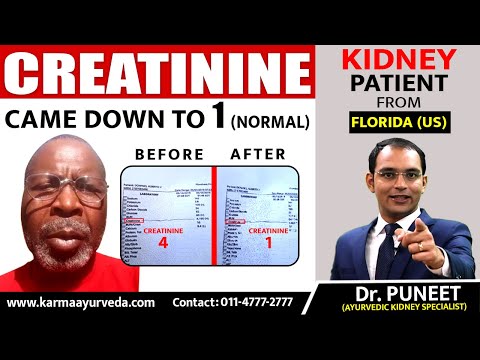
How to Avoid Dialysis Naturally with Holistic Ayurvedic Treatment

Natural Healing from Stage 4 Kidney Disease Without Surgery

Complete Kidney Function Restoration and Relief from Swelling

Ayurvedic Nephrology Treatment & Urea Reduction Journey

Ayurvedic Kidney Detox & Organic Healing Transformation

Overcoming Kidney Damage with Pure Ayurvedic Medicines
Patient Medical Reports
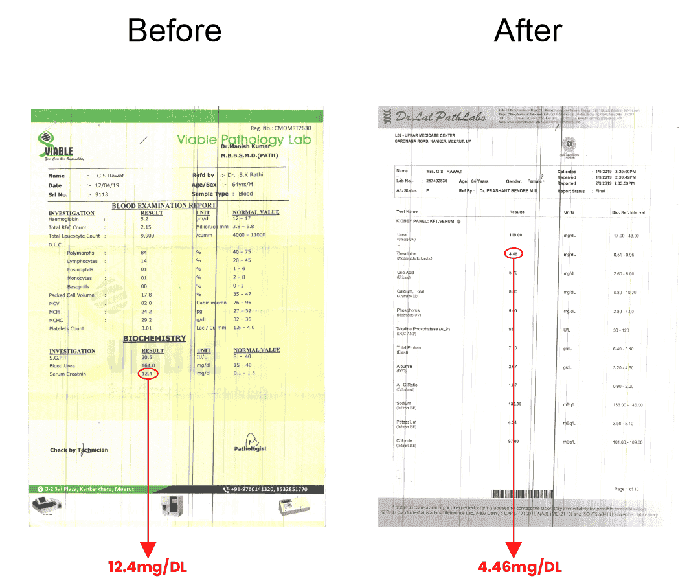
G.S. Rawat
Kidney Function Test (KFT) Lab Report
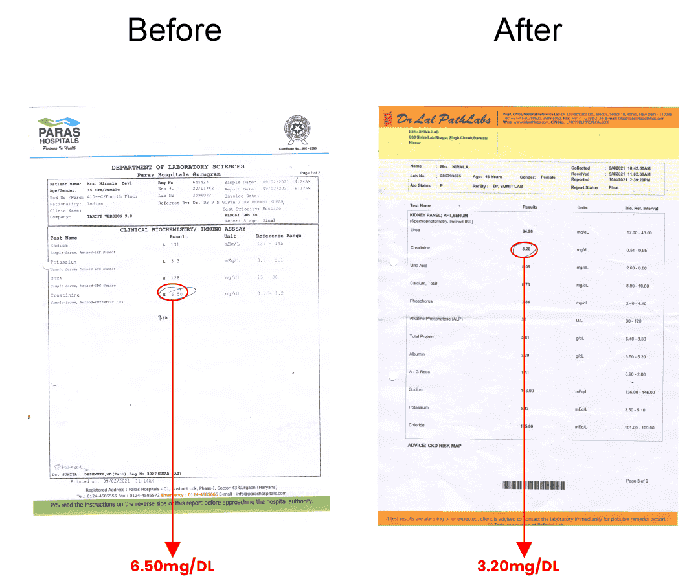
Smt. Nirmala Devi
Creatinine & Urea Improvement Report
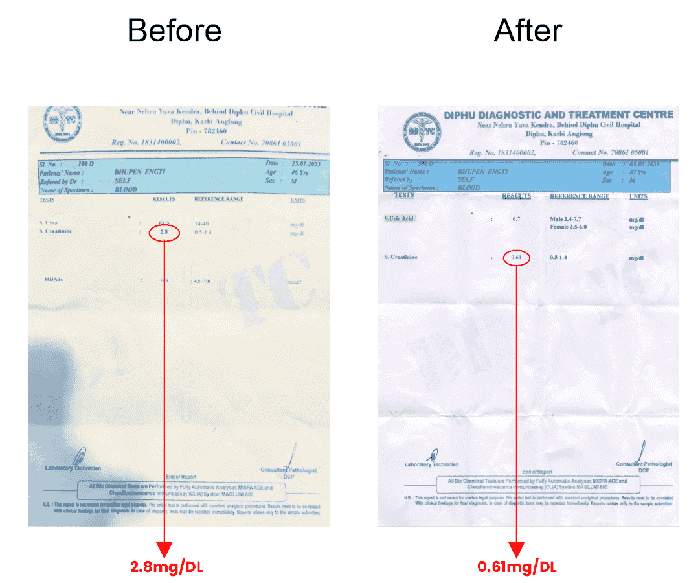
Bhupen
Renal Function Restoration Analysis
Permia
Post-Treatment Clinical Evaluation